

Skip to Content
Inca Trail 2027 permits are limited. Plan early and secure your preferred travel date. Check Availability
+51 917 401 036 Fast replies for availability, tours and bookings.
Contact Us

Classic Inca Trail Expedition to Machu Picchu

4 Days / 3 Nights | Small Groups | Full Camp Support

You'll start at Km 82, walk through extraordinary Inca sites and changing ecosystems, cross high Andean passes, hike through lush cloud forest, and end with a sunrise approach at Inti Punku, the Sun Gate, before your guided tour of Machu Picchu.

Quick Facts

  • Trip Style: Small-group, expedition-style trekking with full camp support
  • Nights: 3 tent nights in designated mountain campsites
  • Duration: 4 days / 3 nights
  • Route: Cusco / Sacred Valley - Ollantaytambo breakfast stop - Km 82 - Llactapata - Ayapata - Dead Woman's Pass - Runcuraccay Pass - Sayacmarca - Chaquicocha - Phuyupatamarca - Intipata - Winay Wayna - Sun Gate - Machu Picchu - Aguas Calientes - Ollantaytambo - Cusco
  • Highest Point: Warmiwañusqa, Dead Woman's Pass, 4,215 m / 13,829 ft
  • Lowest Point: Aguas Calientes, 2,040 m / 6,693 ft
  • Daily Hiking: Around 5-8 hours depending on pace, weather, and trail conditions
  • Total Trek Distance: Around 40-45 km / 25-28 mi
  • Best Season: April-October, generally drier conditions
  • Shoulder Months: March and November
  • Rainy Season: December-March, with more frequent rain and changing trail conditions
  • February: Inca Trail closed for maintenance and conservation
  • Group Size: Minimum 2 travelers and maximum 16 travelers
  • Languages: English, with Spanish available for private trips
  • Activity Level: Moderate to Challenging

Tour Snapshot

  • Inca Trail Gateway at Km 82:
    The legendary journey begins at the official checkpoint
  • Llactapata Exploration:
    Your first major Inca complex on the route
  • Dead Woman's Pass Summit:
    The biggest and most rewarding challenge of the journey.
  • Runcuraccay & Sayacmarca:
    Ancient stonework, summit views, and dramatic positions above the trail.
  • Phuyupatamarca & Intipata:
    Terraces at cloud level and beautiful agricultural landscapes
  • Winay Wayna:
    One of the most iconic Inca sites before Machu Picchu.
  • Sun Gate Arrival:
    The classic first view of Machu Picchu before entering the citadel.
  • Machu Picchu Guided Tour:
    History, engineering, and Andean context come to life

Sleep & Comfort

This trek is designed for travelers who seek an authentic expedition without sacrificing care and organization. Accommodation is based in tents at designated mountain camps, supported by our team of porters and chefs so you can focus on the trail and not on logistics.

Inside Peru Adventures adds thoughtful touches that make a difference: hot drinks upon waking, well-timed hikes for better acclimatization, meals prepared by the chef, and a supportive camping routine that prioritizes rest and recovery, especially on the day of the big pass.

Accommodation Nights 3 tent nights in designated mountain campsites

Maximum altitude Highest Point Warmiwañusqa, Dead Woman's Pass, 4,215 m / 13,829 ft

Group size Group Size Minimum 2 travelers and maximum 16 travelers
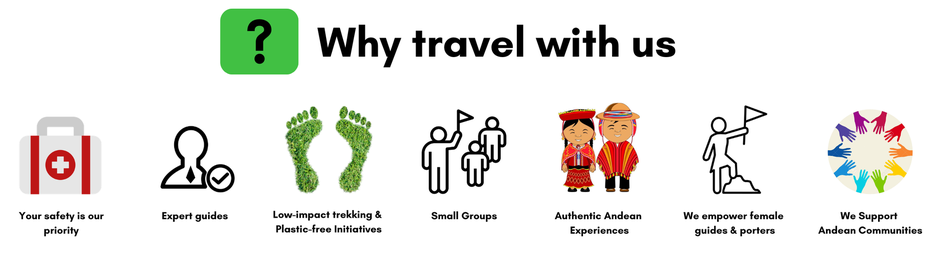
Why travel with Inside Peru Adventures

Trip Details

Highlights

Follow Peru's most iconic ancient path—the Classic Inca Trail—from Km 82 through high Andean mountain ranges, cloud forests, and beautifully preserved Inca stonework, culminating with a sunrise approach to Inti Punku, the Sun Gate, and a guided tour of Machu Picchu.

This expedition-style trek combines breathtaking landscapes with significant cultural interpretation. Along the route, explore legendary Inca sites such as Llactapata, also known as Patallacta, Runcuraccay, Sayacmarca, Phuyupatamarca, Intipata, and Winay Wayna, while crossing the highest point of the trek at Warmiwanusqa, Dead Woman's Pass, 4,215 m/13,829 ft.

Count on small group tours, conscious altitude guidance, chef-prepared meals on the trail, safe boiled or filtered water, and perfect logistics - designed for travelers seeking authentic adventure, real comfort in camping, and a legendary achievement.

Why you will love

  • Walk the world-famous Classic Inca Trail with specialized logistics and ethical support.
  • Stay at the highest point of the route: Dead Woman's Pass, 4,215 m / 13,829 ft.
  • Visit the most spectacular Inca sites along the trail, including Sayacmarca, Phuyupatamarca, Intipata, and Winay Wayna.
  • Arrive at Machu Picchu the classic way through the Sun Gate.
  • Finish with a guided tour led by experts in Machu Picchu.

Why choose Inside Peru Adventures?

  • The Classic Inca Trail - Done the right way: Specialized pace, premium camp organization, and attentive support.
  • Inca Sites in Depth: Guided Exploration of Llactapata, Runcuraccay, Sayacmarca, Phuyupatamarca, Intipata, and Winay Wayna - not just a hike, but a journey rich in stories.
  • Safety and small groups: Licensed trekking guides and altitude-aware, first aid kit, emergency oxygen, and attentive support throughout the hike.
  • Chef team and hydration included: Meals prepared on the spot and boiled/filtered drinking water provided with the meals on the trail.
  • Perfect logistics: Inca Trail permits, entry to Machu Picchu, bus to Aguas Calientes, train to Ollantaytambo, and private transfer back to Cusco are managed by our team.
  • Fair wages and ethical operations: Our loaders, chefs, assistants, and support staff are treated with respect, compensated fairly, and work in safe conditions.
  • Travel with impact: A portion of each reservation supports the IPA Sustainable Fund for education, conservation, and community initiatives.

Basic configuration.

  • Service type: Shared premium expedition for small groups.
  • Price: US$ 1,395 per person for shared group service.
  • Accommodation: 3 nights of camping in tents for double occupancy at designated campgrounds.
  • Hotel nights: Not included by default in this group tour. Aguas Calientes is visited on the 4th day after Machu Picchu.
  • Comfort provided by the IPA: tents, sleeping bag, insulated sleeping pad, clean liner, soft pillow, rain cover, and rain cover for backpack are included and must be returned after the hike.
  • Rental item only: Trekking poles are not included. Travelers can bring their own or rent a pair at IPA.

Updates and optional add-ons

  • Vistadome train upgrade: Upgrade the included train to PeruRail Vistadome from Aguas Calientes to Ollantaytambo for $75 per person, subject to availability.
  • Huayna Picchu Permit: Add the iconic climb of Huayna Picchu after your guided tour of Machu Picchu. The cost of the permit is $75 per person, non-refundable and subject to availability.
  • Mountain Machu Picchu License: Add Machu Picchu Mountain for $75 per person. This option requires an extra day and a second visit to Machu Picchu.
  • Extra Night in Aguas Calientes: Necessary only if you choose the Machu Picchu Mountain or prefer a slower return. The hotel cost starts at $150 per room, per night, based on double occupancy and subject to availability.
  • Private Tent: Available upon request for travelers who prefer to camp for one person. This supplement must be requested via email.

Backpack, sleeping kit, and rain protection

Each traveler receives an IPA backpack with a maximum weight limit of 7 kg/14 lb, as well as our Sleep-Warm Kit and Rain Protection Kit. The Sleep-Warm Kit includes a sleeping bag, insulated sleeping pad, clean liner, and soft pillow. The rain protection kit includes a rain poncho and a rain cover for the backpack.

These items are issued before the trek and must be returned together at the end of the trip, usually in Aguas Calientes or upon arrival in Cusco, depending on the logistics. If you place any of this equipment inside your backpack, it will count towards the 7 kg limit. Replacement or cleaning fees may apply for lost or damaged items.

For whom it is

This trek is ideal for curious and physically active travelers seeking a legendary trekking achievement with deep cultural significance. It is best for those who feel comfortable with full days of hiking at altitude and desire an authentic adventure supported by careful logistics, safety, ethical operations, and meaningful interpretation.


Itinerary

The daily details may vary slightly due to permitted times, weather conditions, and park regulations. The route and main highlights remain the same.
Day 1: Cusco - Km 82 - Llactapata - Ayapata

We will pick you up early at your hotel in Cusco, Urubamba, or Ollantaytambo. The approximate departure times are between 4:00 AM and 4:30 AM in Cusco, between 5:30 AM and 6:00 AM in Urubamba, and between 6:30 AM and 7:00 AM in Ollantaytambo.

Instead of a rushed stop at the "porter's house," we start with a proper and refreshing breakfast at a restaurant in Ollantaytambo. This provides a calm and comfortable beginning before entering the legendary Classic Inca Trail.

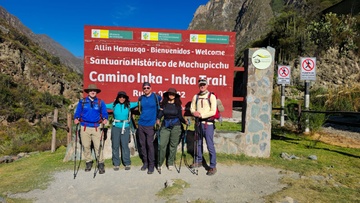
After breakfast, we will continue to Piscacucho, also known as Km 82, where we will check in at the official Inca Trail control point. With our passports ready, we will begin walking along the Urubamba Valley through gentle Andean landscapes, farms, river views, and the first sections of the ancient trail.

After the first easy stretch, we arrive at our first major Inca site: Patallacta / Llactapata, an important administrative and agricultural complex that once helped control access to Machu Picchu. Your guide will bring the site to life with cultural and historical interpretation.

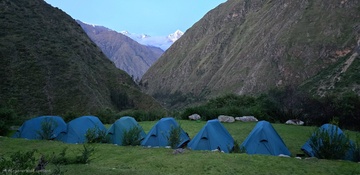
We will continue walking until our lunch stop and then proceed to our first campsite in Ayapata, located at approximately 3,300 m / 10,827 ft. Once settled in, enjoy hot drinks and snacks while our team prepares dinner - your first night under the Andean sky.

Highlights of the day
  • Official start of the Classic Inca Trail at Km 82.
  • Guided tour of Patallacta/Llactapata.
  • Views of the Urubamba Valley and the first landscapes of the Inca Trail.
  • First night camping with your trekking team in Ayapata.
What is included today
  • Comfortable transportation: Private pickup and transfer to Km 82, with a stop for breakfast in Ollantaytambo.
  • Meals: Breakfast at the restaurant, lunch on the trail, and dinner prepared by our trekking chef.
  • Accommodation: Camping at Ayapata mountain in a double tent.
  • Guided experience: Bilingual trekking guide certified by the IPA, trained in first aid and aware of altitude.
  • Support team: Professional team of porters, trekking chef, and kitchen staff under ethical working conditions.
  • Rain protection kit: Raincoat and rain cover provided by IPA and returned after the hike.
  • Warm sleeping kit: Sleeping bag, insulated mattress, clean liner, and soft pillow provided by the IPA and returned after the hike.
  • Backpack support: An IPA backpack, maximum of 7 kg/14 lb, carried by porters.
  • Hydration: Boiled or filtered water provided at lunch and at the campsite. Bring reusable bottles.
  • Safety: First aid kit and emergency oxygen carried by the guide.
Details of the walk
Begin the elevation gain of the trek. Km 82 / Piscacucho - approx. 2,650 m / 8,694 ft
Lower elevation Km 82 / Piscacucho - approx. 2,650 m / 8,694 ft
Night elevation Ayapata Camp - approx. 3,300 m/10,827 ft
Walking distance Approx. 14 km/8.7 mi
Walking time Approx. 6-7 hours
Difficulty Moderate - gradual ascent with the longest stretch in the afternoon.
Ecosystems Andean valley, mountain slopes, river valley, and puna grasslands

Day 2: Ayapata - Dead Woman's Pass - Runcuraccay Pass - Sayacmarca - Chaquiqocha
Your team will wake you up with a hot drink – usually coca tea – before breakfast. Today is the day of the great mountain: challenging, rewarding, and unforgettable.

We start with a steady climb to Warmiwanusqa, known as Dead Woman's Pass, the highest point of the entire Classic Inca Trail, at 4,215 m/13,829 ft. This is one of the most significant physical and emotional achievements of the hike.

After celebrating, catching our breath, and enjoying the stunning Andean views, we descend into the valley for a well-deserved lunch and rest.

In the afternoon, we will climb again towards the second pass, Runcuraccay Pass, located at approximately 4,000 m / 13,123 ft. Along the way, we will visit Runcuraccay, a small but fascinating Inca site connected to the movement and control systems of the ancient route.

Next, we continue along picturesque Inca stone paths to Sayacmarca, an impressive "inaccessible city" dramatically situated above the trail. As the light softens over the mountains, we head to Chaquiqocha, also known as Dry Lake Camping, at approximately 3,600 m/11,811 ft. This is often one of the quietest campsites on the Classic Inca Trail. 

Highlights of the day

  • At the Dead Woman's Pass, the highest point of the hike.
  • Inca Site of Runcuraccay and second passage in the mountain.
  • Guided tour to Sayacmarca, one of the most dramatic sites along the route.
  • Views of the mountain range, high Andean landscapes, and sunset tones near Chaquiqocha.
What is included today
  • Meals:Breakfast, trail lunch, and dinner prepared by our trekking chef.
  • Accommodation:Chaquiqocha Camp in a double tent.
  • Guided experience:Bilingual trekking guide certified by the IPA, trained in first aid and aware of altitude.
  • Support team:Professional team of porters, trekking chef, and kitchen staff.
  • Rain protection kit:Raincoat and rain poncho provided by the IPA and returned after the hike.
  • Warm sleeping kit:Sleeping bag, insulated mattress, clean liner, and soft pillow provided by the IPA and returned after the hike.
  • Backpack support:An IPA backpack, maximum of 7 kg/14 lb, carried by porters.
  • Hydration:Boiled or filtered water provided at lunch and at the camp.
  • Security:First aid kit and emergency oxygen carried by the guide.
Details of the walk

Starting elevation Ayapata Camp - approx. 3,300 m / 10,827 ft
Highest Elevation Highest Elevation Dead Woman Pass - 4,215 m / 13,829 ft
Night Elevation Night Elevation Chaquiqocha Camp / Dry Lake - approx. 3,600 m / 11,811 ft
Hiking Distance Approx. 16 km / 9.9 mi
Hiking Time Approx. 7-8 hours
Difficulty Difficulty Challenging - two main climbs and high altitude
Ecosystems Ecosystems High Andean puna, mountain passes and high edge of cloud forest

Day 3: Chaquiqocha - Phuyupatamarca - Intipata - Winay Wayna
Many hikers consider this the most beautiful day of the Classic Inca Trail. The scenery changes as we move into a high, misty forest, with panoramic viewpoints, lush vegetation, and beautifully preserved Inca stone paths.

We walk through gentler stretches, "Inca flats," and ascend to Phuyupatamarca, known as the City in the Clouds. This is one of the most impressive viewpoints along the entire route, with a dramatic sense of elevation, mist, and ancient engineering.

From Phuyupatamarca, we begin a panoramic descent down stone steps, stopping to visit Intipata, the Terraces of the Sun, a breathtaking agricultural complex overlooking the Urubamba Valley.

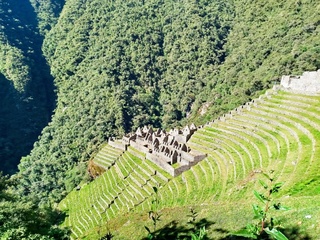
In the early afternoon, we will arrive at Winay Wayna, or Forever Young, the closest campsite to Machu Picchu. After some time to rest and recharge, your guide will take you on a visit to the Winay Wayna Inca site, one of the most spectacular ruins on the trail.

In the evening, we share a special final dinner with the team - our way of honoring the people who made this journey possible at Inside Peru Adventures. We will arrive early, ready for our approach at sunrise in Machu Picchu the following morning. A moment of gratitude to the porter, with optional tips, is usually held this evening. 

Highlights of the day
  • Beautiful stretches of "Inca flat trails" through changing landscapes.
  • Phuyupatamarca viewpoint, the City in the Clouds.
  • Intipata terraces overlooking the Urubamba Valley.
  • Guided visit to Winay Wayna, one of the most iconic sites before Machu Picchu.
  • Final team dinner before the day of Machu Picchu.
What is included today
  • Meals:Breakfast, trail lunch, and dinner prepared by our trekking chef.
  • Accommodation:Winay Wayna campsite in a double tent.
  • Guided experience:Bilingual trekking guide certified by IPA, trained in first aid and aware of altitude.
  • Support team:Professional team of porters, trekking chef, and kitchen staff.
  • Rain protection kit:Rain poncho and rain cover provided by IPA and returned after the hike.
  • Warm sleeping kit:Sleeping bag, insulated mattress, clean liner, and soft pillow provided by IPA and returned after the hike.
  • Backpack support:An IPA backpack, maximum of 7 kg/14 lb, carried by porters.
  • Hydration:Boiled or filtered water provided at lunch and at the campsite.
  • Safety:First aid kit and emergency oxygen carried by the guide.

Details of the walk
Start elevation Chaquiqocha Camp - approx. 3,600 m/11,811 ft
Highest elevation Phuyupatamarca - approx. 3,650 m / 11,975 ft
Night elevation Winay Wayna campsite - approx. 2,650 m/8,694 ft
Walking distance Approx. 10 km/6.2 mi
Walking time Approx. 5-6 hours
Difficulty Moderate - mainly sloped and panoramic
Ecosystems High Andean transition, high cloud forest, and subtropical cloud forest

Day 4: Winay Wayna - Sun Gate - Machu Picchu - Aguas Calientes - Cusco
Today is the grand final. We start before dawn to reach Machu Picchu at the best possible time. After a packed breakfast, we will walk towards Inti Punku, the Sun Gate, the legendary entrance where the first panoramic view of Machu Picchu appears.

From the Sun Gate, we continue descending to Machu Picchu, arriving at the main viewpoint for the classic photos. Next, we begin a guided tour of the main sectors of the citadel. The circuits depend on availability and the time assigned to your ticket, but your guide will always seek the most complete and scenic experience possible.

After the guided tour, we leave the site and take the bus to Aguas Calientes. You will have time to have lunch on your own. Later, board the Expedition train to Ollantaytambo, where our private transport will be waiting for the final journey back to Cusco and drop-off at the hotel.

The estimated arrival at the hotel in Cusco is around 8 PM, subject to train schedules. 

Optional Supplement: Huayna Picchu or Machu Picchu Mountain
  • Huayna Picchu:This iconic peak next to Machu Picchu is famous for its steep stone paths and stunning views. The hike typically takes 45 minutes to 1 hour to ascend, about 30 minutes at the top, and around 45 minutes to descend. It requires an additional non-refundable authorization of $75 per person, subject to availability.
  • Suggested entry for Huayna Picchu:We generally request entry from 9 AM to 10 AM so that you can first enjoy the guided tour of Machu Picchu. Timed entries may vary depending on availability.
  • Important note: Huayna Picchu is steep and exposed. It is not recommended for travelers with a fear of heights.
  • Machu Picchu Mountain:This higher peak offers breathtaking panoramic views of the Andes and the citadel. It is longer and more demanding, typically taking 1.5 to 2 hours to reach the summit.
  • Extra Day Required:Machu Picchu Mountain requires a second visit to Machu Picchu on a separate day because its early entry times usually cannot be combined with the guided tour after hiking the Inca Trail.
  • License cost: The license for Machu Picchu Mountain costs $75 per person, non-refundable and paid directly to the government.

What is included today
  • Included meals:Early packed breakfast.
  • Rain protection kit:Rain poncho and rain cover provided by IPA and returned after the hike.
  • Entry tickets:Entry ticket to Machu Picchu, circuit, and assigned time based on availability.
  • Bus ticket:One-way bus from Machu Picchu to Aguas Calientes.
  • Train ticket:Expedition class train from Aguas Calientes to Ollantaytambo. Upgrades available upon request.
  • Transfer:Private vehicle from Ollantaytambo to Cusco with drop-off at the hotel.
  • Guided experience:Bilingual certified guide for approximately 2.5-3 hours inside Machu Picchu.
  • Support: Coordination for optional additional hikes, if pre-scheduled.

Details of the walk and the location
Start elevation Winay Wayna - approx. 2,650 m / 8,694 ft
Final Elevation Cusco – approx. 3,399 m/11,152 ft
Walking distance Approx. 3-5 km / 2-3 mi within the citadel, depending on the circuit
Guided site schedule
Approximately 2.5-3 hours, plus free time as available
Difficulty Easy to Moderate – stairs and uneven stone paths
Main highlights Sunrise approach, view from the Sun Gate, a classic spot for panoramic photos and guided interpretation by experts
Good to know
  • Mandatory passport:Keep it handy with your ticket for Machu Picchu.
  • Restrooms:Available only outside the entrance to Machu Picchu and may require a small fee, approximately S/2.
  • Backpack only:Large backpacks are restricted. Bring a small backpack for the site.
  • Backpack storage:Larger bags can be stored near the entrance for approximately US$ 5, subject to availability.
  • Hydration:Water is not sold inside the citadel. Bring your reusable bottle.
  • Bus frequency:Buses between Machu Picchu and Aguas Calientes run frequently, usually every 30 minutes, depending on the lines.
  • Meals today:Lunch in Aguas Calientes and dinner in Cusco are on your own, unless your reservation states otherwise.
  • Train schedule:Please arrive early at the station. Departure times vary according to availability.


Included

Pre-Trail Preparation
  • Pre-departure briefing: Night briefing at the Inside Peru Adventures office one day before departure, including itinerary review, safety protocols, final equipment check, and important recommendations for the route.
  • Provided IPA backpack: You will receive an Inside Peru Adventures backpack at the briefing. The backpack is carried by our team of porters and has a maximum weight limit of 7 kg/14 lb.
Specialized guides, safety, and interpretation
  • Specialized guides: Certified trekking guides in English, trained in first aid, high altitude protocols, Inca history, and cultural interpretation.
  • Meaningful interpretation: Your guide brings the Classic Inca Trail to life through history, archaeology, Andean context, landscapes, and local knowledge.
  • Safety support: First aid kit and emergency oxygen are carried by the guide throughout the hike.
Comfortable transportation
  • Private pickup: Early search service at your hotel in Cusco, Urubamba, or Ollantaytambo according to the confirmed itinerary.
  • Transfer to Km 82: Comfortable private transportation to Piscacucho / Km 82, with a stop for breakfast in Ollantaytambo before starting the trail.
  • Return transfer: Private vehicle from Ollantaytambo back to Cusco with drop-off at the hotel after the train journey.
Licenses and tickets for the Inca Trail
  • Classic Inca Trail Permit: License issued by the government for the 4-day Classic Inca Trail, subject to availability at the time of booking.
  • Entry ticket Machu Picchu: Entry ticket for Machu Picchu included according to the best circuit and time available at the moment of booking.
  • Bus ticket: One-way bus ticket from Machu Picchu to Aguas Calientes on the 4th.
Accommodation and comfort at the campsite
  • Expedition-style camping: 3 nights of camping in tents at designated campsites along the Classic Inca Trail.
  • Double occupancy tents: The tents are provided for double occupancy. If the traveler prefers a private/individual tent, this incurs an extra charge and must be coordinated via email after pre-payment, subject to availability.
  • Kit Sleep-Warm provided by IPA: A sleeping bag, insulated sleeping pad, clean liner, and soft pillow are included for added comfort at altitude.
  • Rain protection kit provided by IPA: A raincoat and rain cover for the backpack are included for use during the hike.
  • Mandatory return: The IPA backpack, the Sleep-Warm kit, and the rain protection kit must be returned together at the end of the trip. If packed inside your IPA backpack, they count towards the 7 kg/14 lb limit. Replacement or cleaning fees may apply for lost or damaged items.
Equipment support and handling team
  • Chargers for your backpack: Your IPA backpack is transported between camps by our professional team of porters, up to a maximum limit of 7 kg/14 lb.
  • Professional camping team: A trekking chef, kitchen team, and porters support the expedition during the trekking days.
  • Field Dinner: Comfortable dining facilities in the field with a dining tent, tables, seating, and chef service during hiking days.
Meals and Hydration
  • Meals included: 4 breakfasts, 3 lunches, and 3 dinners.
  • Meals prepared by the chef: Meals are prepared on the spot by a professional trekking chef during the trail.
  • Safe Drinking Water: Boiled or filtered water is provided at all meals. Please bring reusable bottles or a hydration bladder.
  • Special Diets: Vegetarian and special diets are available upon request at the time of booking.
Train Logistics and Return
  • Expedition train ticket: Panoramic return journey aboard the PeruRail expedition train from Aguas Calientes to Ollantaytambo.
  • Upgrade option - Vistadome Train: Travelers seeking greater comfort and panoramic windows can upgrade to the PeruRail Vistadome for an additional US$ 75 per person, one way, subject to availability. This upgrade is not included in the base package and must be requested at the time of booking.
Inside the exclusive touch of Peru Adventures
  • Expedition style for small groups: Unlike mass market operators, Inside Peru Adventures focuses on small group hikes with a careful pace, personalized attention, and respect for protected trail regulations.
  • Ethical Operations: Our loaders, chefs, assistants, guides, and drivers work in fair, respectful, and responsible conditions.
  • Sustainable and Meaningful Travel: By choosing Inside Peru Adventures, you support responsible tourism, fair employment, cultural respect, environmental management, and the IPA Sustainable Fund.

Not Included

  • Trekking pole rental: Trekking poles are highly recommended. Bring your own poles with rubber tips or rent a pair at IPA for $25.
  • Huayna Picchu Entrance: This optional hike to the iconic peak near Machu Picchu is not included. It requires a separate permit and sells out quickly. If you wish to add it, please request it at least one month in advance. Cost: $75 per person, non-refundable and subject to availability.
  • Machu Picchu Mountain License: Optional additional license. Cost: US$ 75 per person. This option requires a second visit to Machu Picchu and an extra day.
  • Private/Individual Tent: The tents are included for double occupancy. A private tent can be requested as an extra supplement via email after pre-payment, subject to availability.
  • Personal backpack: Please bring a small backpack, preferably no more than 25L, for essential daily items such as water, sunscreen, insect repellent, layers, a hat, a camera, and personal items.
  • Lunch in Aguas Calientes and Dinner in Cusco on Day 4: Lunch and dinner on the last day are on your own, unless your reservation states otherwise.
  • Flights: Domestic and international flights are not included. It is highly recommended to arrive in Cusco at least two days before the trek to acclimatize to the altitude and avoid potential disruptions. Weather-related delays and cancellations are common on routes to Cusco, so choosing a reliable airline is important. LATAM is generally considered the most reliable option, while Avianca and Sky Airline are also suitable choices. Since your return to Cusco is scheduled for the night of the 4th, outbound flights should be booked for the following day.
  • Travel insurance: Comprehensive travel insurance is strongly recommended, especially for concerns related to altitude, weather disturbances, delays, medical needs, cancellations, or unexpected events.
  • Personal Expenses: Souvenirs, drinks, snacks, laundry, extra services, and optional purchases are not included.
  • Tips: Tips for guides, porters, cooks, and drivers are not included and are completely optional. If you feel that the team provided exceptional service, feel free to show your appreciation at your discretion.
  • Restrooms at the entrance of Machu Picchu: The restrooms are located outside the entrance of Machu Picchu and may require a small fee, approximately S/2.
  • Backpack storage at the entrance of Machu Picchu: Optional storage may be available near the entrance, approximately $5, subject to availability.

Price

The Classic Inca Trail Expedition to Machu Picchu 4D/3N is operated as a premium shared service for small groups with ethical porter support, meals prepared by a chef, Inca Trail permits, entry to Machu Picchu, camping logistics, and included IPA comfort equipment.

Group Tour

US$ 1,395 per person
Shared trip in small groups. Includes 3 nights of camping in double occupancy tents, meals prepared by the chef, Inca Trail permit, entrance to Machu Picchu, porter support, expedition train, one-way bus, and private transfer back to Cusco.
Special rate for open groups

For a reservation of 6 or more travelers on the regular open group departure:

Starting at $1,195 per person, subject to availability and final group size.

Please contact us before booking so we can confirm the best available group rate.

Private Tour

Dedicated guide, chef, doorman team, and exclusive logistics for your party.
  • 2 hikers: $1,695 per person
  • 3 hikers: $1,595 per person
  • 4 hikers: $1,495 per person
  • 5 hikers: $1,395 per person
  • 6 hikers: $1,295 per person
  • 7 hikers: $1,245 per person
  • 8 or more hikers: $1,195 per person
Discount for students

$25 discount per person for travelers aged 17 or younger, or travelers with a valid college student ID. Proof is required at the time of booking. More information about student ID.

Mandatory prepayment

To secure your reservation, a non-refundable deposit of $495 per person is required. The remaining balance is $900 per person.

Important: Any transfer fees, bank fees, PayPal fees, Wise fees, credit card charges, or intermediary charges must be borne by the traveler, so that the net amount received by Inside Peru Adventures corresponds to the required deposit.

Optional add-ons and updates
  • Vistadome train upgrade, one way only: US$ 75 per person
  • Huayna Picchu Authorization: US$ 75 per person
  • Machu Picchu Mountain License: US$ 75 per person, requires an extra day/second visit
  • Trekking pole rental, pair: $25
  • Private tent, individual occupancy: $35 per night / normally $105 for 3 nights
  • Extra night in Aguas Calientes, only if necessary: US$ 150 per room, per night, double occupancy, subject to availability

Travel Info

Getting to Cusco

The Cusco Airport (CUZ) is primarily a domestic airport, with limited international routes on selected days or seasons. Most international travelers first fly to Lima (LIM), go through immigration and customs, collect their checked baggage, and then check in again for the domestic flight to Cusco. 

  • By plane: The fastest and most convenient option is to fly from Lima to Cusco. Airlines such as LATAM, Avianca, and SKY operate daily. LATAM usually offers more frequency and reliability, but it may be more expensive.
  • Weather delays: Cusco is a high-altitude airport, so weather-related delays or cancellations can occur. Build flexibility into your schedule.
  • By bus: Traveling from Lima to Cusco by bus usually takes about 20 to 22 hours. Modern buses with VIP or reclining seats can be comfortable, especially if you are traveling from Lima, Arequipa, or Puno.
  • Insider tip for Peru: Arrive in Cusco at least 2 days before your trek to acclimatize and safeguard your plans against possible travel delays.

Briefing & Check-In

The pre-trekking briefing is mandatory and takes place in Cusco the night before departure. You will meet your guide from Inside Peru Adventures for complete instructions on the route, safety guidelines, final equipment check, and important recommendations for the Classic Inca Trail. 

  • You will receive your expedition backpack from Inside Peru Adventures during the briefing.
  • Your guide will review the itinerary, permits, weather conditions, packing details, and safety protocols.
  • Bring your passport, travel insurance information, and any questions you may have.
  • If you have dietary restrictions, allergies, or medical concerns, please confirm them during the briefing.
Pickups & Meeting Point

The collection is coordinated by our operations team the day before your walk. Since the historic center of Cusco has narrow streets and limited vehicle access, we can arrange for pickup from the hotel when access is possible or a nearby meeting point within a short walking distance. 

  • Snack Window: Be ready 30-45 minutes prior to the confirmed time. Traffic restrictions and access to the city may affect timing.
  • Sacred Valley Option: If you are staying in Urubamba or Ollantaytambo, we can often coordinate pickup there upon request, subject to route timing and group logistics.
  • Insider Tip for Peru: If you are booking accommodation before the trek, choose a location with easy vehicle access to facilitate pickup.

Walk / Service Possible departure locations
Classic Group Expedition Inca Trail Pickup or meeting point at the hotel in Cusco. Urubamba / Ollantaytambo upon request, subject to the schedule of the route.
Salkantay, Lares, Huchuy Qosqo, Choquequirao, Ausangate & Rainbow Treks Only Cusco.
Daytime excursions
Pickup or meeting point at the hotel in Cusco. Urubamba / Ollantaytambo upon request, subject to the schedule of the route.

Luggage Guidelines & Storage

At the mandatory pre-trek briefing, you will receive your IPA expedition backpack and conduct a final equipment check with your guide. Our team of porters will transport your backpack between the camps and return it to you at each camp.

Item Limit / How It Works
IPA expedition backpack Maximum of 7 kg/14 lb, carried by porters. Bring clothing and personal items here. If your sleeping bag, liner, pillow, or other borrowed equipment is packed inside it, it will count towards the 7 kg limit.
Backpack Maximum recommended 25L. You carry essential items for daily life: water, rain covers, sun protection, snacks, camera/phone, and passport.
Rain poncho Provided by IPA for trekking days. Easy to use over layers during sudden rain.
Rain cover for backpack Provided by IPA to protect your backpack and electronics. Keep it handy near the top of your backpack.
Main luggage storage Unnecessary extra items that you don't need on the hike can be safely stored in Cusco and returned after the trip.
Machu Picchu bag rule Large backpacks are restricted inside the citadel. Only enter with a compact backpack.

Important: Keep valuables, electronics, documents, money, and passport in your backpack, not in the bag.

Sleep-Warm System Included

For a comfortable high-altitude camping experience, Inside Peru Adventures includes a complete Sleep-Warm Kit at no extra cost. 

  • Cozy sleeping bag.
  • Inflatable sleeping pad.
  • Clean liner.
  • Soft pillow.

 When packed inside your backpack, this equipment counts towards the 7 kg/14 lb backpack limit. Borrowed items must be returned complete at the end of the trip. Replacement or cleaning fees may apply for lost or damaged items.

Accommodation - Expedition Camping

This is a true expedition-style trek, not based on lodging. Along the Classic Inca Trail, there are no inns. Camping is mandatory as part of Peru's strict protective measures to preserve the Historic Sanctuary of Machu Picchu, fragile ecosystems, and archaeological areas. 

  • 3 nights in designated camps along the Inca Trail.
  • High-quality expedition tents in double occupancy.
  • Dinner setup with tables and seating.
  • Kitchen service and chef with fresh meals prepared on the trail.
  • Support team logistics to keep the camp organized, comfortable, and efficient.

 Camping here is not "basic"; it is the authentic way to experience the most iconic and regulated trekking route in Peru, with integrated comfort and structure.

Altitude & Acclimatization

Altitude can feel different for everyone, even fit travelers. Common mild symptoms include headache, fatigue, shortness of breath on stairs, light dizziness, or reduced appetite. The best approach is simple: go slow, hydrate, eat light, and rest.

Tell your guide early if symptoms feel strong or do not improve. Our team is trained to support altitude discomfort and monitor your well-being, and we carry altitude support equipment on high-elevation routes. Some travelers use altitude medication such as acetazolamide; consult your doctor before travel and follow medical guidance.

Site / Location Elevation
Cusco City3,399 m / 11,152 ft
Ollantaytambo, Sacred Valley2,792 m / 9,160 ft
Km 82 / PiscacuchoApprox. 2,650 m / 8,694 ft
Patallacta / LlactapataApprox. 2,750 m / 9,022 ft
Ayapata CampApprox. 3,300 m / 10,827 ft
Warmiwanusqa / Dead Woman's Pass4,215 m / 13,829 ft
Pacaymayo ValleyApprox. 3,600 m / 11,811 ft
Runcuraccay PassApprox. 4,000 m / 13,123 ft
SayacmarcaApprox. 3,600 m / 11,811 ft
Chaquiqocha CampApprox. 3,600 m / 11,811 ft
PhuyupatamarcaApprox. 3,650 m / 11,975 ft
Intipata TerracesApprox. 2,700 m / 8,858 ft
Winay Wayna CampApprox. 2,650 m / 8,694 ft
Inti Punku / Sun GateApprox. 2,720 m / 8,924 ft
Machu Picchu Citadel2,430 m / 7,972 ft
Aguas Calientes2,040 m / 6,693 ft
  • Walk at a steady pace. Do not rush.
  • Hydrate consistently.
  • Eat light and regularly.
  • Avoid alcohol before and during the trek.
Difficulty Level

The Classic Inca Trail is considered moderate to challenging. Expect long hiking days, high-altitude conditions, stone stairways, uneven terrain, and one major high pass. Good physical condition is recommended.

  • Day 2 is usually the most demanding day because of Dead Woman's Pass.
  • The route includes many original Inca stone steps, both uphill and downhill.
  • The trek is achievable for active travelers with preparation, patience, and good pacing.
  • Your guide sets a safe rhythm and uses natural regroup points throughout the trail.
Group Tour Dynamics & Pacing

Group hikes bring together travelers with different speeds and walking styles. Your guide sets a safe pace, uses natural regrouping points, and supports the entire team so that everyone can enjoy the journey without pressure. 

  • If you need a slower pace, communicate in advance with your guide.
  • The goal is a strong group experience with personalized support.
  • Days at high altitudes are managed with patience, breaks for rest, and awareness.
Machu Picchu Entrance Times & Assigned Circuits

Machu Picchu operates with timed entry and assigned circuits. Your ticket shows your entry time and circuit, and re-entry is not permitted once you exit.

Item Details
Circuit Reference Circuit 1: Upper viewpoints. Circuit 2: Central areas. Circuit 3: Lower sections.
Standard Inca Trail Visit Typical assignment for Inca Trail arrivals may include Circuit 3, with final circuit and entry time assigned by authorities and confirmed closer to departure.
Sun Gate Arrival A short guided section of Circuit 1B may be included upon arrival via Inti Punku, depending on official regulations and assigned access.
Upgrade Option You may request an additional entrance ticket for a different circuit, subject to limited availability and extra cost.
IPA Confirmation Note Final entry time and circuit are confirmed closer to departure based on official availability.

Optional Hikes: Huayna Picchu & Machu Picchu Mountain

If you want to add an iconic mountain hike above Machu Picchu, we can request it in advance. Tickets are very limited and sold in specific time slots.

Optional Hike Details
Huayna Picchu Circuit 3A reference. Approx. 45 minutes up and 45 minutes down. Typical entry slots are 7:00 AM or 9:00 AM. Steep, exposed, dramatic views. We usually aim for a later session when possible so you can enjoy your guided visit first, depending on availability.
Machu Picchu Mountain Circuit 1A reference. Approx. 1.5 hours up and 1.5 hours down. Typical entry slots are 6:00 AM or 8:00 AM. Longer climb with wide panoramas. It often requires a second entrance ticket and an additional visit, usually the following day.
  • These hikes require an additional entrance ticket and a specific time slot.
  • Availability is controlled by authorities and can sell out far in advance.
  • If your preferred option does not fit your Inca Trail schedule, we will recommend the best alternative based on official availability.
Returning to Cusco After Machu Picchu

After your Machu Picchu visit, you'll take the shuttle bus down to Aguas Calientes, then continue by train, typically to the Sacred Valley, and finish with private transportation back to Cusco.

  • Exact timing depends on train schedules and operational conditions.
  • Your stored main luggage will be returned to you after the trek.
  • Do not book an outbound flight from Cusco for the same night. Schedule flights for the following day.
Weather & Packing Tips

Peru's Andes are full of microclimates. On the Classic Inca Trail, you'll move from cold high-Andean ridgelines into warmer and more humid cloud forest. Plan for fast weather changes and big temperature swings.

  • Dry Season:April to October usually offers the best trekking conditions, with sunny days and colder nights at camp. Permits sell out early.
  • Rainy Season:November to March brings more frequent showers, muddy trail sections, and higher humidity in the cloud forest.
  • February Closure:The Classic Inca Trail is closed every February for maintenance and conservation work.
  • Weather-Related Closures:In unusually heavy rainy seasons, authorities may temporarily keep sections closed for safety and trail rehabilitation.
Smart Packing Essentials for the Classic Inca Trail
  • Layered Clothing:Thermal base layer, warm mid-layer, and lightweight waterproof shell.
  • Sun Protection:SPF 50+, UV sunglasses, and sun hat.
  • Compact Rain Gear:A packable poncho or waterproof jacket is essential.
  • Footwear:Use well-worn hiking shoes or boots with solid grip. Avoid brand-new footwear.
  • Warm Accessories:Beanie, light gloves, and neck buff for cold mornings and camp evenings.
  • Headlamp:Highly recommended for campsites and early starts.
  • Hydration:Bring a refillable bottle or hydration bladder.
  • Passport:Keep your original passport or ID in your daypack throughout the trek.

First Aid & Safety

At Inside Peru Adventures, your well-being comes first. Our professional guides are trained in first aid, high-altitude safety, evacuation protocols, and outdoor risk management.

  • Trained Guides:Certified guides prepared to handle common trail situations, minor injuries, and altitude-related discomfort.
  • First-Aid Kit:We carry a fully equipped first-aid kit on every excursion.
  • Oxygen Support:For routes above 3,000 m / 9,840 ft, including the Inca Trail, guides carry portable oxygen and monitor symptoms.
  • Emergency Planning:Routes are selected and operated with evacuation possibilities, local coordination, and emergency response plans in mind.
Travel Insurance

While Inside Peru Adventures prioritizes safety and preparation, adventure travel always carries some unpredictability. We strongly recommend comprehensive travel insurance before your trip.

  • Altitude sickness and medical emergencies.
  • Trip cancellations or itinerary interruptions.
  • Weather-related delays or disruptions.
  • Emergency evacuation and repatriation.
  • Lost or delayed luggage.
  • Coverage for trekking, hiking, and adventure travel activities.

Pro Tip:Not all policies automatically cover high-altitude trekking. Verify that your provider includes activities above 3,000 m / 9,840 ft and adventure travel.

Social Protests & Operational Flexibility

Peru occasionally experiences social protests or transport strikes that can disrupt roads or rail service. Your safety and well-being always come first.

  • Our Operations Team may adjust logistics proactively with earlier departures, alternative routes, or revised timing.
  • We coordinate transparently with your group and local authorities.
  • We operate only when it is safe and responsible.
  • If rail or road closures make operation impossible, we will discuss equivalent alternatives or rescheduling options according to the situation on the ground.
Lost & Found

You are responsible for your personal items during the trek. Please double-check vans, campsites, viewpoints, restaurants, and train stations, and avoid leaving gear unattended on the trail.

  • Tell your guide immediately if something goes missing.
  • Keep passport, money, electronics, and valuables in your daypack.
  • Label personal items whenever possible.
Tipping Etiquette

Tipping is customary on multi-day treks in Peru, but it is always voluntary. At IPA, we pay fair wages; tips are a personal way to recognize exceptional service.

  • Currency:Support team usually prefers Peruvian soles. Guides are happy with USD or PEN.
  • When:Usually after the last dinner or farewell briefing of your trek.
  • Classic Inca Trail Note:On this trek, the support team is porters and cook team.
  • How to Pool:Travelers commonly prepare two envelopes: one for the support team and one for the chef/cook team. The lead guide handles the fair split and delivers it on your behalf.
  • Lead Guide:The lead guide's tip is given personally, based on your satisfaction.
Trek Type Suggested Amounts Per Traveler
Inca Trail 4D/3N or 5D Porters: S/60-80 - Cook team: around S/150
Inca Trail 7D Porters: $100-120 - Cook team: around $200
2D/1N Inca Trail Support: around $50 - Cook/support team: around $100 if applicable

Smaller private groups mean the same crew supports fewer travelers. If you are 1-3 trekkers, consider the upper end of the ranges, or 10-20% more, if service is outstanding. Tips are shared at your discretion and always appreciated.

Sustainability & Community Responsibility

At Inside Peru Adventures, sustainability is not just a value; it is a way of operating. Our tours are designed with deep respect for nature, culture, and people.

  • Responsible Travel:We follow low-impact principles and encourage travelers to respect trail rules, communities, and archaeological sites.
  • Fair Employment:We prioritize fair wages, respectful treatment, and safe working conditions for guides, porters, chefs, assistants, and drivers.
  • Environmental Stewardship:We reduce single-use plastic, encourage refillable bottles, and promote careful waste management.
  • IPA Sustainable Fund:A portion of every booking supports education, conservation, and community initiatives.
Why Choose IPA: Women Empowerment & Social Equity

Inside Peru Adventures is committed to building a more inclusive and responsible tourism model in Peru. We believe that travel should create opportunities, not just experiences. 

  • Women-led approach to tourism operations and business development.
  • Support for female guides, future tourism professionals, and local leaders.
  • Respectful collaboration with local communities and service providers.
  • Promotion of meaningful travel that values people, culture, and place.
IPA Foundation: Women, Education & Community Impact

The Sustainable Fund IPA supports long-term initiatives related to education, conservation, fair employment, and community well-being. Every traveler who books with Inside Peru Adventures becomes part of a broader positive impact. 

  • Opportunities for education and training for local tourism talents.
  • Support for community initiatives related to responsible travel.
  • Conservation-focused operations that protect Peru's cultural and natural heritage.
  • Tourism designed to benefit both travelers and the people who make each trip possible.

Packing List

Essentials
  • Valid Passport:Always carry your original passport or official ID. It is required for Inca Trail checkpoints, Machu Picchu entry, trains, and hotel check-ins.
  • Student ID:Required only if you booked with a student discount. Bring the same valid student card used for your booking.
  • Entry Record:Carry your passport entry stamp or Andean migration record if issued.
  • Travel Insurance Details:Bring your policy number and proof of coverage, especially for trekking above 3,000 m / 9,840 ft.
  • Tickets & Hotels:Your IPA guide manages train tickets, bus tickets, Machu Picchu entry, and arranged logistics. Keeping a digital copy on your phone is optional for peace of mind.
  • Trekking Poles:Highly recommended for the Inca Trail. Rubber tips are required. Bring your own or rent a pair from IPA for US$25, subject to availability.
For Your Duffel

Your IPA expedition duffel is carried by the women porter team and has a maximum weight limit of7 kg / 14 lb. Pack here the items you will need at camp and overnight, not the items you need during the day's hike.

IPA provides:expedition duffel, warm sleeping bag, inflatable insulated sleeping pad, clean liner, soft pillow, rain poncho, and daypack rain cover. If the sleeping bag, pad, liner, or pillow are packed inside your duffel, they count toward the 7 kg limit.

  • 2-3 moisture-wicking trekking shirts.
  • 2-3 hiking pants.
  • 4 sets of undergarments.
  • 4 pairs of hiking socks.
  • Warm layers for cold nights, especially at higher camps and early mornings.
  • Lightweight down jacket.
  • Waterproof jacket and rain pants, recommended even though IPA provides a poncho.
  • Wool hat or beanie.
  • Lightweight waterproof gloves for cold mornings.
  • Headlamp, essential for campsites and early starts.
  • Comfortable camp shoes such as light sandals or slip-ons.
  • Quick-dry towel. IPA supplies a small one, but you may bring a larger one if you prefer.
  • Small personal soap, optional. Warm water for basic washing is provided at camp.
  • Power bank and charging cable. There are no outlets on the trail.
  • Large plastic bags or dry bags to separate clean and dirty clothes.

Important:Do not pack passport, money, valuables, electronics, medication, or fragile items in your duffel. Keep them in your daypack.

Clothing & Footwear

The most important rule for the Classic Inca Trail is layering. You will move through cold mornings, exposed stone steps, high-altitude sections, and warmer cloud forest near Machu Picchu.

  • Trekking Shoes or Boots:Use well-worn hiking shoes or boots with solid grip. Water-resistant footwear is strongly recommended.
  • Avoid Brand-New Footwear:Comfortable, already-tested shoes are much better for preventing blisters.
  • Layered Trekking System:Breathable base layer, fleece or sweater, and waterproof / windproof shell.
  • Long-Sleeve Lightweight Shirts:Useful for sun and insect protection.
  • Lightweight Long Pants:Breathable pants help protect from sun, insects, and vegetation.
  • Quick-Dry Underwear:Lightweight and easy to pack.
  • Extra Thermal Layer:Helpful for cold nights and early mornings at camp.
  • Merino or Synthetic Socks:Bring an extra pair to keep your feet dry and comfortable.
  • Sun Hat or Cap:Essential for high-altitude UV exposure.
  • Buff or Light Scarf:Useful for sun, wind, and cold mornings.
  • Warm Beanie and Gloves:Recommended for camp evenings and early starts.
Personal Items
  • Sunscreen:SPF 50+ is strongly recommended.
  • UV Sunglasses:High-altitude sunlight can be very strong, even on cloudy days.
  • Lip Balm:Preferably with SPF.
  • Hydrating Face Cream:Useful for dry mountain air and sun exposure.
  • Hand Sanitizer:Keep it accessible during the day.
  • Biodegradable Wet Wipes:Useful for camp hygiene.
  • Toothbrush and Toothpaste:Travel size recommended.
  • Toilet Paper:Bring a small roll.
  • Insect Repellent:High-DEET repellent is recommended, especially near cloud forest areas.
  • After-Bite / Anti-Itch Cream:Helpful for insect bites.
  • Headlamp Batteries or Charging Cable:Depending on whether your headlamp uses batteries or is rechargeable.
  • Electrolyte Tablets:Helpful for hydration and long hiking days.
  • Personal Medication:Bring prescriptions, motion sickness tablets, pain relievers, or any medication you personally need.
  • Mini First-Aid Kit:Include band-aids, blister care such as moleskin or Compeed, and basic comfort items.
Inside Your Daypack

Your daypack is for daily use and should be small, comfortable, and ideally25 L or less. For Machu Picchu, large backpacks are restricted, so a compact daypack is best.

IPA provides:rain poncho and rain cover for your daypack. Keep them handy because weather can change quickly.

  • Passport:Required for checkpoints and Machu Picchu entry.
  • Water:Bring your own water for the morning of Day 1 until the first lunch refill.
  • Reusable Water Bottle or Hydration Bladder:Enough capacity for daily hiking.
  • Sun Hat:Keep it accessible during exposed sections.
  • Rain Gear:Carry your poncho or waterproof layer in your daypack.
  • Fleece or Warm Layer:Weather changes quickly, especially near passes and early morning.
  • Phone or Camera:Keep protected from rain and dust.
  • Earphones:Optional for quiet moments.
  • Hand Sanitizer:For meals, bathrooms, and checkpoints.
  • Toilet Paper and Small Waste Bag:Please pack out personal waste responsibly.
  • Extra Cash in Soles:Useful for tips, bathrooms, snacks, and small purchases.
  • Earplugs:Optional but helpful at campsites.
  • Personal Medication:Keep important medication with you, not in the duffel.
  • Snacks for the Day:Carry compact energy snacks between meals.
Water, Snacks & Electronics
Water & Hydration

Inside Peru Adventures provides safe drinking water starting from lunch on Day 1 and at meals during the trek. You are responsible for your own water on the morning of Day 1 until the first lunch refill.

  • Carry enough capacity for 2-3 liters per day.
  • Use a reusable bottle, hydration pack, or Camelbak-style reservoir.
  • Staying hydrated is especially important at altitude.
High-Energy Snacks

Meals are included, but personal snacks are useful for extra energy during long hiking sections.

  • Granola bars.
  • Trail mix.
  • Dried fruit.
  • Nuts.
  • Protein bars.
  • Small chocolate bars.
Electronics & Useful Extras
  • Camera or Smartphone:You'll want to capture landscapes, campsites, Inca sites, and spontaneous moments.
  • Power Bank:Essential because there are no charging outlets on the trail.
  • Charging Cable:Bring the correct cable for your devices.
  • Headlamp:Useful at campsites and for early starts.
  • Extra Zip Bags or Dry Bags:Helpful for protecting electronics and separating items.
  • Cash in Small Soles Denominations:Useful for optional tips, snacks, or small purchases.
  • Comfortable Sleepwear:Lightweight but warm enough for camp nights.
  • Extra Pair of Socks:A dry pair can make a big difference.

Important Practical Notes
  • Machu Picchu Entry:Your original passport is required. Copies or digital versions are not enough.
  • Backpack Size at Machu Picchu:Small daypacks are best. Large luggage is not permitted inside the citadel.
  • Trekking Poles:Poles must have rubber tips to protect the trail.
  • Weather:Conditions can change quickly, so be ready for strong sun, cold mornings, sudden rain, and humid cloud forest.
  • Cold Nights:Nights in the Andes can be cold, especially at higher camps, so warm layers are essential.
  • Pack Light:The lighter and more organized your luggage is, the more comfortable your trek will be.
Final Packing Advice
  • Main Luggage:Everything you do not need during the trek.
  • Duffel:Overnight trek items and extra clothing, max 7 kg / 14 lb.
  • Daypack:Daily essentials, valuables, layers, passport, water, medication, and personal items.

Packing this way will help make your Classic Inca Trail experience smoother from start to finish.


Equipment, Food & Water

Equipment

This is a true expedition-style trek on Peru's most iconic and most regulated trail. Inside Peru Adventures provides the essential camping infrastructure so you can focus on the experience, not the logistics.

Camping Setup
  • Expedition Tents:You'll camp in high-quality expedition tents at designated Inca Trail campsites.
  • Double Occupancy:Tents are provided on a double-occupancy basis. Private / single tents are available as an extra supplement and must be requested by email in advance, subject to availability.
  • Organized Camps:Each camp is fully set up by our team before or upon your arrival, depending on trail logistics and campsite access.
  • Dining Area:Camp includes a comfortable dining setup with tables and seating.
  • Kitchen Setup:A dedicated kitchen area is managed by our women trekking chef and support team, creating an organized and efficient base even in remote trail environments.
Sleep-Warm Kit Included

For cold nights at altitude, IPA includes a complete Sleep-Warm Kit at no extra cost. This makes your camping experience warmer, cleaner, and more comfortable.

  • Warm Sleeping Bag:Included for cold mountain nights.
  • Inflatable Insulated Sleeping Pad:Included for extra comfort and insulation from the ground.
  • Clean Liner:Included and cleaned between departures.
  • Soft Pillow:Included for better rest at camp.
  • Cleaning & Sanitation:All sleep systems are cleaned and sanitized between departures.

If you pack the Sleep-Warm Kit inside your IPA duffel, it counts toward the 7 kg / 14 lb porter limit. All issued items must be returned at the end of the trek. Replacement or cleaning fees may apply for lost or damaged items.

Duffel, Daypack & Rain Protection
  • IPA Expedition Duffel:At your mandatory pre-trek briefing, you'll receive your IPA expedition duffel, which is transported between camps by our women porter team.
  • Duffel Weight Limit:Maximum 7 kg / 14 lb per traveler. If your Sleep-Warm Kit is packed inside, it counts toward this limit.
  • Light Daypack:You hike each day with only a light daypack. We recommend 25 L or smaller, especially for Machu Picchu access.
  • Rain Poncho:IPA provides a rain poncho for trekking days.
  • Daypack Rain Cover:IPA provides a rain cover for your daypack to help protect gear and electronics during sudden rain showers.
Trekking Poles & Electronics
  • Trekking Poles:Highly recommended for the Classic Inca Trail, especially for long descents and stone steps.
  • Rubber Tips Required:Rubber tips are required on the Inca Trail to protect both the trail and the original stonework.
  • Rental Option:Bring your own poles or rent a pair from IPA for US$25, subject to availability.
  • No Electricity at Campsites:Electricity is not available at camps, so we strongly recommend bringing a power bank for your phone or camera.
  • Personal Gear Preferences:If you have specific comfort needs or gear preferences, let us know in advance so we can help you prepare with confidence.

Food

Food on the Classic Inca Trail is a key part of the expedition. It is designed to keep you energized for long hiking days with significant altitude change, while still feeling warm, fresh, and comforting at camp.

Chef-Prepared Trail Meals
  • Professional Trekking Chef:Meals are freshly prepared by our professional women trekking chef during the trail.
  • Local Andean Ingredients:Our meals combine local Andean ingredients with trail-tested nutrition.
  • Daily Meal Structure:Each trekking day includes a hot breakfast, a satisfying lunch, and a hearty dinner.
  • Dining Setup:Meals are served in our dining setup at camp, with tables, seating, and organized camp service.
Meals Included
  • 4 Breakfasts:Includes the breakfast on Day 1 before starting the trail and the early breakfast on Machu Picchu day.
  • 3 Lunches:Trail lunches are included during trekking days.
  • 3 Dinners:Camp dinners are included on the trail.
  • Day 4 Meals Not Included:Lunch in Aguas Calientes and dinner in Cusco on Day 4 are not included unless your booking states otherwise.
Happy Hour & Camp Atmosphere

In the afternoons, we host IPA's signature happy hour with hot tea, coffee, and snacks. This is an ideal recovery moment after the day's hike and a warm way to enjoy camp life before dinner.

  • Hot Drinks:Tea, coffee, and warm drinks are served at camp.
  • Snacks:Light snacks are provided as part of the afternoon recovery moment.
  • Family-Style Meals:Meals are served in a friendly, family-style format, allowing you to eat according to your appetite.
  • Energy & Acclimatization:Eating well is important for energy, altitude adaptation, and recovery.
Dietary Requirements

Our kitchen team follows strict hygiene and food-safety protocols adapted for remote trail conditions. Dietary requirements can be accommodated with advance notice.

  • Vegetarian meals available upon request.
  • Vegan meals available upon request.
  • Gluten-free meals available upon request.
  • Food allergies must be communicated at the time of booking.
  • Please confirm any dietary restrictions again during the pre-trek briefing.

Water

Proper hydration is essential for energy, recovery, and altitude adaptation on the Inca Trail. Inside Peru Adventures provides safe drinking water during the trek so you can refill responsibly and reduce single-use plastic.

Safe Drinking Water
  • Starting from Lunch on Day 1:IPA provides safe drinking water starting from lunch on Day 1 and at meals during the trek.
  • Boiled, Filtered & Cooled:Water is boiled, filtered, and cooled before being provided for refills.
  • Morning of Day 1:You are responsible for bringing your own water on the morning of Day 1 until the first refill at lunchtime.
  • Refill System:Bring reusable bottles or a hydration bladder so you can refill during the trek.
How Much Water to Carry
  • Recommended Capacity:Start each hiking day with 2-3 liters.
  • Reusable Bottles:Strongly recommended to reduce plastic waste.
  • Hydration Bladder:CamelBak-style systems are highly encouraged because they make drinking while hiking easier.
  • Electrolytes:Electrolyte tablets can be useful during long hiking days and at altitude.
Sustainability Commitment

As part of our sustainability commitment, IPA actively reduces single-use plastic on the trail. By using refillable bottles and shared water systems, we help protect the Inca Trail's fragile ecosystems while keeping you strong, hydrated, and ready for each day's adventure.

  • Bring refillable bottles instead of buying disposable plastic bottles.
  • Keep your hydration system clean and accessible.
  • In Machu Picchu Town, bottled water is available for purchase if needed after the trek.
  • Always follow your guide's hydration recommendations, especially on high-elevation days.

Porters & Sustainable Commitment

How Our Women Support Team Works on the Classic Inca Trail

The Classic Inca Trail is Peru's most regulated trek. Inside Peru Adventures operates within strict government rules while delivering an expedition-style experience supported by an experienced local team.

From the trailhead through your final campsite, our women porter team transports your IPA duffel, with a maximum weight limit of 7 kg / 14 lb, as well as the shared expedition logistics: camping equipment, kitchen gear, and food supplies between designated campsites.

You hike with only a small daypack carrying your daily essentials, while our crew handles the behind-the-scenes work: camp set-up, dining area organization, meal service, kitchen logistics, and efficient trail coordination.

  • Light Trekking Model:You carry only your personal daypack while the women porter team carries your IPA duffel and shared expedition gear.
  • Camp Logistics:Our support team organizes tents, dining setup, kitchen gear, and meal service at designated campsites.
  • Safer & Smoother Trek:This support model makes the journey safer, more organized, and far more enjoyable for travelers.
  • Local Employment:Your trek creates dignified, professional work for local families connected to the Andes for generations.
Fair Work, Real Protections

Inside Peru Adventures is committed to ethical operations - never shortcuts. Our porters, chef team, assistants, and guides work under clear agreements and are paid fair wages.

We follow strict load policies and operational standards so the team can work safely and sustainably. Our field staff are equipped with appropriate clothing and rain protection, and they are provided with proper meals and support during the expedition.

  • Fair Wages:Our field team is paid fairly and treated with respect.
  • Clear Load Policies:Porter loads are managed responsibly according to Inca Trail regulations and ethical trekking standards.
  • Proper Field Support:Our team receives meals, support, and appropriate working conditions during the expedition.
  • Professional Guides:Your lead guide is trained in first aid, altitude response, and emergency procedures.
  • Safe Operations:We prioritize safety, dignity, and sustainability for the people who make the trek possible.
Responsible Travel on a Regulated Trail

Because the Inca Trail is highly protected, everything must be done correctly: permits, checkpoints, campsite use, waste handling, and staff regulations. IPA respects these rules fully - not only because they are required, but because they protect a world-class cultural and natural sanctuary.

  • Permit Compliance:We operate only with official Inca Trail permits and confirmed passenger information.
  • Checkpoint Control:Travelers, guides, porters, and support staff must pass official checkpoints along the route.
  • Designated Campsites:Camping is done only in authorized areas assigned by the authorities.
  • Protected Trail Rules:We follow all regulations connected to trail use, archaeological spaces, and environmental protection.
  • Professional Crew Structure:Our operations prioritize safety, efficiency, and respect for the trail.
Environmental Action on the Route

The Inca Trail passes through fragile ecosystems and irreplaceable archaeological areas. IPA operates with strict environmental standards to help protect them.

  • Leave No Trace:We follow low-impact trekking principles throughout the expedition.
  • Waste Responsibility:Waste is managed carefully and removed according to trail regulations.
  • Plastic Reduction:We encourage reusable bottles and reduce single-use plastic whenever possible.
  • Treated Water System:Safe drinking water is provided at meals when conditions allow, reducing the need for disposable bottles.
  • Trail Protection:Our team helps protect water sources, biodiversity, campsites, and archaeological areas.
Cultural Respect - Beyond the Photos

The Inca Trail is not just a hike - it is a living cultural corridor. We practice respectful travel by protecting sacred spaces, following trail regulations, and educating travelers on cultural etiquette along the route.

Your trek is also supported by a team rooted in Andean communities, often Quechua-speaking, whose knowledge, discipline, and hard work make this expedition possible.

  • Respect for Sacred Spaces:We guide travelers to move respectfully through archaeological and ceremonial landscapes.
  • Local Knowledge:Our guides connect history, archaeology, and living Andean culture throughout the journey.
  • Andean Communities:The trek supports people and families with deep connections to the region.
  • Responsible Photography:We encourage meaningful observation, respectful interaction, and cultural sensitivity.
What Your Fare Powers

Your journey directly supports the people, logistics, equipment, and responsible operations required to run the Classic Inca Trail properly.

  • Fair wages and ethical working conditions for porters, chefs, assistants, and guides.
  • Safer load policies and professional field standards.
  • Quality expedition equipment and proper staff protection.
  • Responsible trail operations aligned with Inca Trail regulations.
  • Environmental stewardship and low-impact trekking practices.
  • Long-term community initiatives supported through the IPA Sustainable Fund.

Authentic Paths, Sustainable Futuresis not just a slogan - it is how your expedition is built, priced, and delivered.

How You Can Help

Travelers also play an important role in protecting the Inca Trail and supporting a respectful trekking environment.

  • Pack Thoughtfully:Bring only what you need and respect the 7 kg / 14 lb duffel limit.
  • Use Reusable Bottles:Help reduce single-use plastic on the trail.
  • Follow Leave No Trace:Do not leave waste, food wrappers, or personal items on the route.
  • Respect Local Customs:Follow your guide's advice at campsites, checkpoints, and archaeological areas.
  • Be Kind to the Team:A thank-you, patience, and respect toward the crew go a long way.
Tips & Appreciation

Tipping is optional and always at your discretion, but it is genuinely appreciated when service exceeds expectations. Tips are usually pooled for the women porter team and cook team, while the lead guide's tip is given personally.

  • Support Team:The porter and cook team usually prefers tips in Peruvian soles.
  • Lead Guide:Guide tips may be given in USD or Peruvian soles.
  • Suggested Porter Tip:For the Classic Inca Trail 4D/3N, a common guideline is S/60-80 per traveler for porters.
  • Suggested Cook Team Tip:Around S/150 for the cook team is a common guideline.
  • Voluntary:Tips are never mandatory and should reflect your satisfaction with the service.

Gratitude, patience, and kindness help keep the Inca Trail respected, welcoming, and sustainable for future travelers and the people who make each expedition possible.

Frequently Asked Questions

Why choose Inside Peru Adventures for the Classic Inca Trail?

Inside Peru Adventures runs the Classic Inca Trail as a true expedition-style experience - not a rushed, overcrowded, or budget operation. We keep groups small, prioritize safe pacing, and deliver a high-comfort camping set-up with dining tent, chef service, organized camps, and thoughtful logistics so you can focus on the trail, not the stress behind it.

You'll trek with certified, English-speaking guides trained in first aid and altitude protocols, supported by a professional porter and chef team, and powered by fair employment and responsible operations through the IPA Sustainable Fund. Our goal is simple: to do the Classic Inca Trail right - safely, ethically, and meaningfully.

  • Small Groups:More personal pacing and better attention on the trail.
  • Expedition Comfort:Organized camping, dining tent, chef-prepared meals, and structured logistics.
  • Responsible Operations:Fair wages, ethical porter support, and protected-trail compliance.
  • Meaningful Interpretation:Cultural, historical, and archaeological context throughout the route.
How physically demanding is the Classic Inca Trail 4D/3N?

The Classic Inca Trail is consideredmoderate to challenging. Expect long hiking days, steep stone stairways, uneven terrain, and one major high pass: Warmiwanusqa, also known as Dead Woman's Pass, at 4,215 m / 13,829 ft.

This trek is ideal for travelers who are reasonably fit and want a rewarding challenge. You do not need to be an athlete, but you should be comfortable hiking for several hours a day at altitude.

  • Most Demanding Day:Day 2, when you cross Dead Woman's Pass.
  • Terrain:Original Inca stone steps, mountain passes, forest sections, and uneven trail.
  • Recommended:Trekking poles are highly recommended.
  • Important:Rubber tips are required on the Inca Trail to protect the original stonework.
  • Rental:Trekking poles are available from IPA for US$25, subject to availability.
Do I need to acclimatize before the trek?

Yes. Acclimatization is one of the biggest factors in enjoying the Inca Trail. We strongly recommend arriving in Cusco at least 2 days before departure, or spending time in the Sacred Valley before the trek.

Altitude affects everyone differently. Common mild symptoms include headache, fatigue, reduced appetite, and shortness of breath on stairs. The best strategy is to walk steadily, hydrate, eat light, rest well, and avoid alcohol before the trek.

  • Recommended Arrival:At least 2 days before the trek.
  • Highest Point:Dead Woman's Pass, 4,215 m / 13,829 ft.
  • Guide Support:Your guide monitors the group and manages safe pacing.
  • Safety Equipment:First-aid kit and emergency oxygen are carried by the guide.
  • Medical Advice:If you plan to use altitude medication, consult your doctor before travel.
What is the luggage policy? Duffel vs daypack

At the mandatory pre-trek briefing, you'll receive your IPA expedition duffel. Our female porter team carries up to 7 kg / 14 lb per traveler. This weight includes anything you pack inside the duffel, including Sleep-Warm Kit items if you choose to place them there.

You hike daily with a small daypack, ideally 25 L or less, carrying essentials such as water, layers, sun protection, camera or phone, personal medication, and your passport. Extra luggage can be stored securely in Cusco and returned to you after the trek.

  • IPA Duffel:Max 7 kg / 14 lb, carried by porters.
  • Daypack:Recommended 25 L or smaller for daily essentials.
  • Keep With You:Passport, money, valuables, electronics, documents, and medication.
  • Do Not Pack in Duffel:Fragile items, valuables, passport, or anything you need during the day.
  • Main Luggage:Extra bags can be stored securely in Cusco.
When is the best time to hike the Inca Trail? What's the weather like?

The Classic Inca Trail crosses high-Andean ridgelines, cloud forest, and mountain camps, so weather can change quickly. You should be prepared for sun, cold mornings, rain, humidity, and chilly nights.

  • Best Season:April to October usually brings drier days, clearer views, crisp mornings, and cold nights - ideal trekking conditions.
  • Shoulder Months:March and November can bring more variable weather, greener landscapes, and fewer crowds.
  • Rainy Season:December to March has a higher chance of rain, muddier sections, and humidity in the cloud forest.
  • February Closure:The Classic Inca Trail is closed every February for maintenance and conservation work.
  • Alternatives:If your trip falls in February, we can recommend excellent options such as Salkantay, Lares, or Machu Picchu by train.
Is the Classic Inca Trail family-friendly?

Yes, families do hike the Classic Inca Trail, and children can complete the route when they are physically prepared. The key is choosing it for the right child and preparing realistically.

Because the trail includes long hiking days, steep stone steps, and high altitude, especially Dead Woman's Pass at 4,215 m / 13,829 ft, this trek is best suited for active kids or teens with strong endurance who are used to long walks or hikes.

  • Best For:Active kids, teens, and families used to hiking.
  • Preparation:Families should arrive early for acclimatization, ideally 2 or more days before the trek.
  • Younger Children:Possible in some cases, but it requires realistic expectations, excellent preparation, and parent support throughout the route.
  • Inside Peru Tip:For families, a private departure can be the smoothest option because it allows a more flexible pace, more breaks, and personalized support.
What about Machu Picchu rules, circuits, entry times, and backpack limits?

Machu Picchu operates with timed entry and assigned circuits. Your ticket includes an entry time and route, and re-entry is not allowed once you exit.

  • Timed Entry:Your entry time is assigned according to official availability.
  • Assigned Circuit:Your circuit depends on official regulations and availability at the time of booking.
  • No Re-entry:Once you exit Machu Picchu, re-entry is not permitted with the same ticket.
  • Backpack Rule:Large backpacks are restricted inside the citadel.
  • Recommended Bag:Enter with a small daypack only, ideally 25 L or less.
  • Storage:If you arrive with a larger bag, you may need to store it outside the gates at the designated facility, subject to availability and extra cost.
What happens if there are strikes or transport disruptions in Peru?

Peru occasionally experiences social protests or transport strikes that can affect roads or rail service. Your safety always comes first.

If disruptions are announced, our Operations Team will proactively adjust logistics when possible, such as earlier departures, alternative routing, revised timing, or updated coordination with transport providers. We communicate transparently and operate only when it is safe and responsible.

  • Safety First:We do not operate if conditions are unsafe.
  • Operational Flexibility:Departure times, transfers, or routing may be adjusted.
  • Transparent Communication:We keep travelers informed as the situation develops.
  • Alternatives:If services become impossible, we discuss equivalent alternatives or rescheduling based on the real situation on the ground.
What about dietary needs and water safety?

We can accommodate vegetarian, vegan, gluten-free, and allergy-related meals with advance notice. Please inform us at the time of booking and confirm your dietary needs again during the pre-trek briefing.

On the trek, IPA provides safe drinking water at meals starting from lunch on Day 1. Water is boiled, filtered, and cooled for refills. You are responsible only for carrying your own water on the morning of Day 1 until the first lunch refill.

  • Dietary Requests:Vegetarian, vegan, gluten-free, and allergies can be accommodated with advance notice.
  • Water Provided:Safe drinking water starts from lunch on Day 1 and continues at meals during the trek.
  • Morning Day 1:Bring your own water until the first refill at lunchtime.
  • Refill System:Bring reusable bottles or a hydration bladder.
  • Aguas Calientes:Bottled water is available for purchase if needed after the trek.
What makes this Classic Inca Trail Expedition different from others?

Many Inca Trail programs compete mainly on price, often at the cost of crowding, rushed pacing, or reduced comfort. IPA focuses on quality, ethics, safety, and a meaningful experience.

What Sets Us Apart
  • Expedition-Style Comfort:Organized camps, dining tent, chef service, and thoughtful camp logistics.
  • Safety-First Guiding:Trained professionals, first-aid support, and emergency oxygen.
  • Ethical Operations:Fair wages, responsible load policies, proper staff gear, and respectful treatment.
  • Small-Group Feel:Attentive pacing and a better group experience.
  • Sustainable Impact:Responsible practices and the IPA Sustainable Fund.
  • Smoother Finish:Train, bus, transfers, and Machu Picchu logistics handled so your final day feels rewarding, not chaotic.

With Inside Peru Adventures, the Classic Inca Trail is not about doing it fast or cheap. It is about doing it right.

Classic Inca Trail to Machu Picchu 4D/3N Please fill in our BOOKING FORM carefully with your correct personal details.
Book Now


0