


Skip to Content
Inca Trail 2027 permits are limited. Plan early and secure your preferred travel date. Check Availability
+51 917 401 036 Fast replies for availability, tours and bookings.
Contact Us

Classic Inca Trail Expedition to Machu Picchu

4 Days / 3 Nights | Small Groups | Full Camp Support

A four-day journey along Peru's most iconic ancient route, crafted with the exclusive care of Inside Peru Adventures, expert guidance, careful pacing, ethical porter support, and chef-prepared meals that feel like comfort in the mountains.

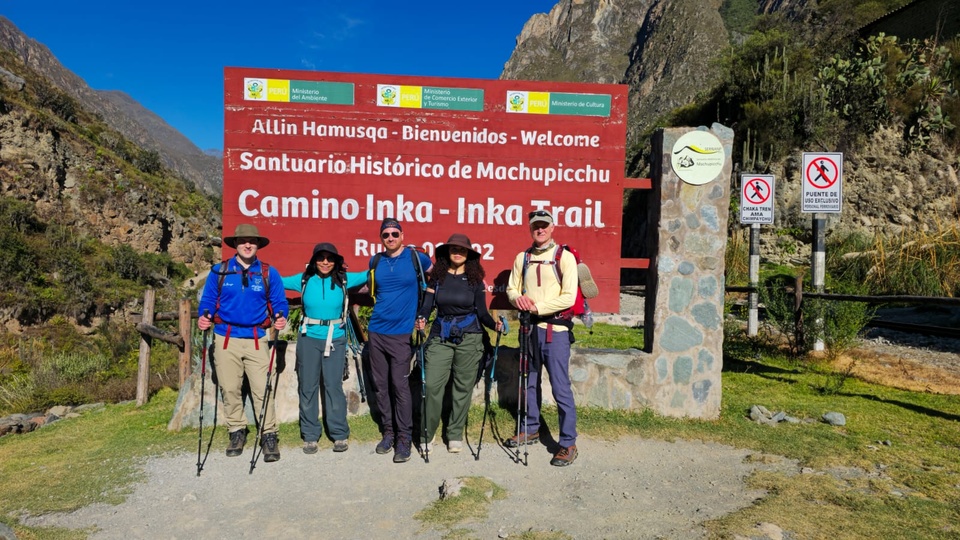
You'll start at Km 82, walk through extraordinary Inca sites and changing ecosystems, cross high Andean passes, hike through lush cloud forest, and end with a sunrise approach at Inti Punku, the Sun Gate, before your guided tour of Machu Picchu.

Quick Facts

  • Trip Style: Small-group, expedition-style trekking with full camp support
  • Nights: 3 tent nights in designated mountain campsites
  • Duration: 4 days / 3 nights
  • Route: Cusco / Sacred Valley - Ollantaytambo breakfast stop - Km 82 - Llactapata - Ayapata - Dead Woman's Pass - Runcuraccay Pass - Sayacmarca - Chaquicocha - Phuyupatamarca - Intipata - Winay Wayna - Sun Gate - Machu Picchu - Aguas Calientes - Ollantaytambo - Cusco
  • Highest Point: Warmiwañusqa, Dead Woman's Pass, 4,215 m / 13,829 ft
  • Lowest Point: Aguas Calientes, 2,040 m / 6,693 ft
  • Daily Hiking: Around 5-8 hours depending on pace, weather, and trail conditions
  • Total Trek Distance: Around 40-45 km / 25-28 mi
  • Best Season: April-October, generally drier conditions
  • Shoulder Months: March and November
  • Rainy Season: December-March, with more frequent rain and changing trail conditions
  • February: Inca Trail closed for maintenance and conservation
  • Group Size: Minimum 2 travelers and maximum 16 travelers
  • Languages: English, with Spanish available for private trips
  • Activity Level: Moderate to Challenging

Tour Snapshot

  • Inca Trail Gateway at Km 82:

    Begin the legendary journey at the official checkpoint.

  • Llactapata Exploration:

    Your first major Inca complex along the route.

  • Dead Woman's Pass Summit:

    The greatest and most rewarding challenge of the journey.

  • Runcuraccay & Sayacmarca:

    Ancient stonework, summit views, and dramatic positions above the trail.

  • Phuyupatamarca & Intipata:

    Cloud-level terraces and stunning agricultural landscapes.

  • Winay Wayna:

    One of the most iconic Inca sites before Machu Picchu.

  • Sun Gate Arrival:

    The classic first view of Machu Picchu before entering the citadel.

  • Machu Picchu Guided Tour:

    History, engineering, and Andean heritage come to life.

Sleep & Comfort

This trek is designed for travelers who want an authentic expedition without compromising on care and organization. Accommodation is provided in tents at designated mountain campsites, supported by our team of porters and chef staff so you can focus on the trail rather than the logistics.

Inside Peru Adventures adds thoughtful touches that make all the difference: hot drinks to wake you up, carefully paced hikes for better acclimatization, chef-prepared meals, and a supportive camp routine that prioritizes rest and recovery—especially on the day of the big pass.

Accommodation Nights 3 tent nights in designated mountain campsites

Maximum altitude Highest Point Warmiwañusqa, Dead Woman's Pass, 4,215 m / 13,829 ft

Group size Group Size Minimum 2 travelers and maximum 16 travelers

Activity level Activity Level Moderate to Challenging
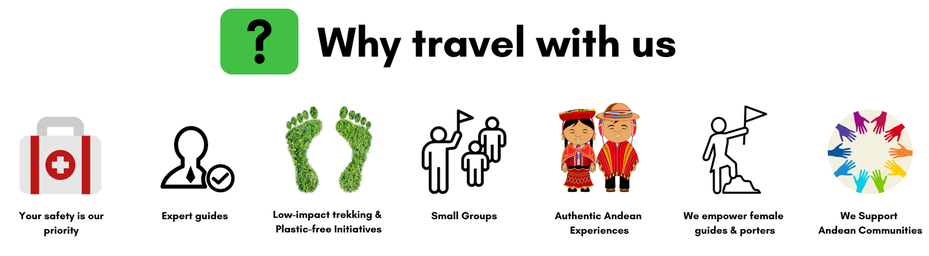
Why travel with Inside Peru Adventures

Trip Details

Highlights

Follow Peru's most iconic ancient path—the Classic Inca Trail—from Km 82 through high Andean mountain ranges, cloud forests, and beautifully preserved Inca stonework, culminating with a sunrise approach to Inti Punku, the Sun Gate, and a guided tour of Machu Picchu.

This expedition-style trek combines breathtaking landscapes with meaningful cultural interpretation. Along the route, explore legendary Inca sites such as Llactapata, also known as Patallacta, Runcuraccay, Sayacmarca, Phuyupatamarca, Intipata, and Wiñay Wayna, while crossing the trek's highest point at Warmiwanusqa, Dead Woman's Pass, at 4,215 m / 13,829 ft.

Enjoy small-group tours, altitude-conscious guidance, chef-prepared meals on the trail, safe boiled or filtered water, and seamless logistics—designed for travelers seeking authentic adventure, genuine comfort at camp, and a legendary achievement.

Why You'll Love It

  • Hike the world-famous Classic Inca Trail with expert logistics and ethical support.
  • Cross the highest pass on the route: Dead Woman's Pass, at 4,215 m / 13,829 ft.
  • Visit the most spectacular Inca sites along the trail, including Sayacmarca, Phuyupatamarca, Intipata, and Wiñay Wayna.
  • Arrive at Machu Picchu the classic way through the Sun Gate.
  • Finish with an expert-guided tour of Machu Picchu.

Why Choose Inside Peru Adventures

  • The Classic Inca Trail—Done Right: Expert pacing, premium camp organization, and attentive support.
  • Inca Sites in Depth: Guided exploration of Llactapata, Runcuraccay, Sayacmarca, Phuyupatamarca, Intipata, and Wiñay Wayna—not just a hike, but a journey rich in history and stories.
  • Safety and Small Groups: Licensed trekking guides trained in altitude awareness, first-aid kits, emergency oxygen, and attentive support throughout the trek.
  • Chef Team and Hydration Included: Freshly prepared meals and safe boiled/filtered drinking water provided on the trail with meals.
  • Seamless Logistics: Inca Trail permits, Machu Picchu entrance tickets, bus to Aguas Calientes, train to Ollantaytambo, and private transportation back to Cusco are all handled by our team.
  • Fair Wages and Ethical Operations: Our porters, chefs, assistants, and support staff are treated with respect, paid fairly, and provided with safe working conditions.
  • Travel with Impact: A portion of every booking supports the IPA Sustainable Fund for education, conservation, and community initiatives.

Basic Setup

  • Service Type: Premium shared small-group expedition.
  • Price: US$1,395 per person for shared group service.
  • Accommodation: 3 nights camping in tents with double occupancy at designated campsites.
  • Hotel Nights: Not included by default in this group tour. Aguas Calientes is visited on Day 4 after Machu Picchu.
  • IPA Comfort Provided: Tents, sleeping bag, insulated sleeping pad, clean liner, soft pillow, rain poncho, and backpack rain cover are included and must be returned after the trek.
  • Rental Item Only: Trekking poles are not included. Travelers may bring their own or rent a pair from IPA.

Optional Upgrades and Add-Ons

  • Vistadome Train Upgrade: Upgrade the included train to the PeruRail Vistadome from Aguas Calientes to Ollantaytambo for US$75 per person, subject to availability.
  • Huayna Picchu Permit: Add the iconic Huayna Picchu hike after your guided tour of Machu Picchu. The permit costs US$75 per person, is non-refundable, and is subject to availability.
  • Machu Picchu Mountain Permit: Add Machu Picchu Mountain for US$75 per person. This option requires an extra day and a second visit to Machu Picchu.
  • Extra Night in Aguas Calientes: Required only if you choose Machu Picchu Mountain or prefer a slower return. Hotel rates start at US$150 per room, per night, based on double occupancy and subject to availability.
  • Private Tent: Available upon request for travelers who prefer single-occupancy camping. This supplement must be requested by email.

Backpack, Sleep Kit, and Rain Protection

Each traveler receives an IPA backpack with a maximum weight allowance of 7 kg / 14 lb, along with our Sleep-Warm Kit and Rain Protection Kit.

The Sleep-Warm Kit includes a sleeping bag, insulated sleeping pad, clean liner, and soft pillow. The Rain Protection Kit includes a rain poncho and backpack rain cover.

These items are provided before the trek and must be returned together at the end of the trip, usually in Aguas Calientes or upon arrival in Cusco, depending on the logistics. If you place any of this equipment inside your backpack, it will count toward the 7 kg weight limit. Replacement or cleaning fees may apply to lost or damaged items.

Who It's For

This trek is ideal for curious and physically active travelers seeking a legendary trekking achievement with deep cultural meaning. It is best suited for those who are comfortable with full days of hiking at high altitude and want an authentic adventure supported by careful logistics, safety, ethical operations, and meaningful cultural interpretation.


Itinerary

Daily details may vary slightly due to permitted schedules, weather conditions, and park regulations. The route and main highlights remain the same. 

Day 1: Cusco - Km 82 - Llactapata - Ayapata

We’ll pick you up early from your hotel in Cusco, Urubamba, or Ollantaytambo. Approximate departure times are 4:00–4:30 a.m. from Cusco, 5:30–6:00 a.m. from Urubamba, and 6:30–7:00 a.m. from Ollantaytambo.

Instead of a rushed stop at the “porter’s house,” we’ll start with a proper and energizing breakfast at a restaurant in Ollantaytambo. This provides a calm and comfortable beginning before entering the legendary Classic Inca Trail.

After breakfast, we’ll continue to Piscacucho, also known as Km 82, where we’ll check in at the official Inca Trail checkpoint. With passports ready, we’ll begin hiking along the Urubamba Valley through gentle Andean landscapes, farmland, river views, and the first sections of the ancient trail.

After the first easy section, we’ll reach our first major Inca site: Patallacta / Llactapata, an important administrative and agricultural complex that once helped control access to Machu Picchu. Your guide will bring the site to life through cultural and historical interpretation.

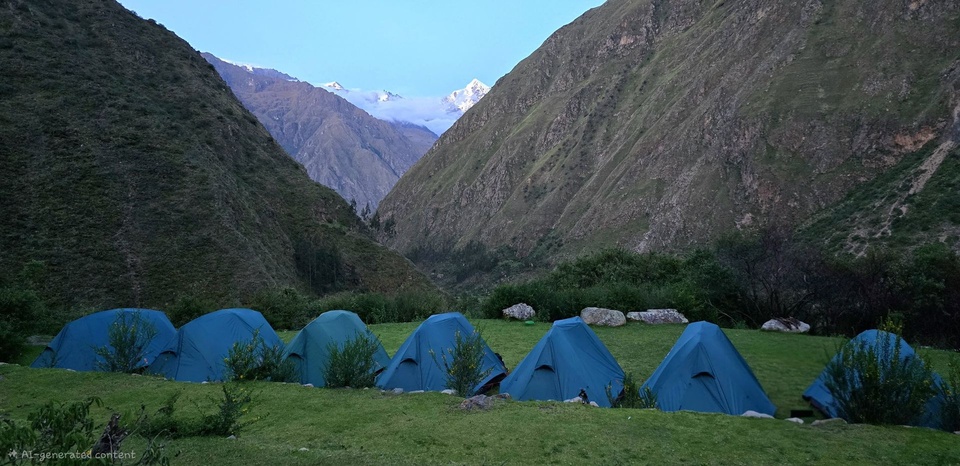
We’ll continue hiking to our lunch stop and then proceed to our first campsite in Ayapata, located at approximately 3,300 m / 10,827 ft. Once settled in, enjoy hot drinks and snacks while our team prepares dinner—your first night beneath the Andean sky.

Day Highlights

  • Official start of the Classic Inca Trail at Km 82.
  • Guided visit to Patallacta/Llactapata.
  • Views of the Urubamba Valley and the first landscapes of the Inca Trail.
  • First night camping with your trekking team in Ayapata.

What’s Included Today

  • Comfortable Transportation: Pick-up and private transfer to Km 82, with a breakfast stop in Ollantaytambo.
  • Meals: Breakfast at the restaurant, trail lunch, and dinner prepared by our trekking chef.
  • Accommodation: Mountain camping at Ayapata in a double-occupancy tent.
  • Guided Experience: IPA-certified bilingual trekking guide, trained in first aid and altitude awareness.
  • Support Team: Professional porter team, trekking chef, and kitchen staff working under ethical conditions.
  • Rain Protection Kit: Rain poncho and backpack rain cover provided by IPA and returned after the trek.
  • Sleep-Warm Kit: Sleeping bag, insulated sleeping pad, clean liner, and soft pillow provided by IPA and returned after the trek.
  • Backpack Support: One IPA backpack, with a maximum weight of 7 kg / 14 lb, carried by porters.
  • Hydration: Boiled or filtered water provided at lunch and at camp. Please bring reusable water bottles.
  • Safety: First-aid kit and emergency oxygen carried by the guide.

Trekking Details

Trek Starting ElevationKm 82 / Piscacucho — approx. 2,650 m / 8,694 ft
Lowest ElevationKm 82 / Piscacucho — approx. 2,650 m / 8,694 ft
Overnight ElevationAyapata Camp — approx. 3,300 m / 10,827 ft
Hiking DistanceApprox. 14 km / 8.7 mi
Hiking TimeApprox. 6–7 hours
DifficultyModerate — gradual ascent with a longer uphill section in the afternoon
EcosystemsAndean valley, mountain slopes, river valley, and puna grasslands
Day 2: Ayapata - Dead Woman's Pass - Runcuraccay Pass - Sayacmarca - Chaquiqocha

 Your team will wake you with a hot drink—usually coca tea—before breakfast. Today is the big mountain day: challenging, rewarding, and unforgettable.

We’ll begin with a steady climb to Warmiwanusqa, known as Dead Woman’s Pass, the highest point on the entire Classic Inca Trail at 4,215 m / 13,829 ft. This is one of the trek’s most significant physical and emotional achievements.

After celebrating, catching your breath, and taking in the stunning Andean views, we’ll descend into the valley for lunch and a well-deserved rest.

In the afternoon, we’ll climb again toward the second pass, Runcuraccay Pass, located at approximately 4,000 m / 13,123 ft. Along the way, we’ll visit Runcuraccay, a small but fascinating Inca site connected to the movement and control systems of the ancient route.

We’ll then continue along scenic Inca stone paths to Sayacmarca, an impressive “inaccessible town” dramatically perched above the trail. As the light softens over the mountains, we’ll continue to Chaquiqocha, also known as Dry Lake Camp, at approximately 3,600 m / 11,811 ft. This is often one of the most peaceful campsites on the Classic Inca Trail.

Day Highlights

  • Summit Dead Woman’s Pass, the highest point of the trek.

  • Visit the Inca site of Runcuraccay and cross the second mountain pass.

  • Guided visit to Sayacmarca, one of the most dramatic sites along the route.

  • Mountain-range views, high Andean landscapes, and sunset tones near Chaquiqocha.

What’s Included Today

  • Meals: Breakfast, trail lunch, and dinner prepared by our trekking chef.

  • Accommodation: Chaquiqocha Camp in a double-occupancy tent.

  • Guided Experience: IPA-certified bilingual trekking guide, trained in first aid and altitude awareness.

  • Support Team: Professional porter team, trekking chef, and kitchen staff.

  • Rain Protection Kit: Rain poncho and backpack rain cover provided by IPA and returned after the trek.

  • Sleep-Warm Kit: Sleeping bag, insulated sleeping pad, clean liner, and soft pillow provided by IPA and returned after the trek.

  • Backpack Support: One IPA backpack, with a maximum weight of 7 kg / 14 lb, carried by porters.

  • Hydration: Boiled or filtered water provided at lunch and at camp.

  • Safety: First-aid kit and emergency oxygen carried by the guide.

Trekking Details

Starting ElevationAyapata Camp — approx. 3,300 m / 10,827 ft
Highest ElevationDead Woman’s Pass — 4,215 m / 13,829 ft
Overnight ElevationChaquiqocha / Dry Lake Camp — approx. 3,600 m / 11,811 ft
Hiking DistanceApprox. 16 km / 9.9 mi
Hiking TimeApprox. 7–8 hours
DifficultyChallenging — two major climbs and high altitude
EcosystemsHigh Andean puna, mountain passes, and the upper edge of cloud forest
Day 3: Chaquiqocha - Phuyupatamarca - Intipata - Winay Wayna

Many hikers consider this the most beautiful day of the Classic Inca Trail. The scenery transforms as we move into a high cloud forest, with panoramic viewpoints, lush vegetation, and beautifully preserved Inca stone paths.

We’ll hike through gentler sections known as the “Inca Flats” before climbing to Phuyupatamarca, meaning “City in the Clouds.” This is one of the most impressive viewpoints along the entire route, with a dramatic sense of elevation, mist, and ancient engineering.

From Phuyupatamarca, we’ll begin a scenic descent along stone stairways, stopping to visit Intipata, the Sun Terraces, a breathtaking agricultural complex overlooking the Urubamba Valley.

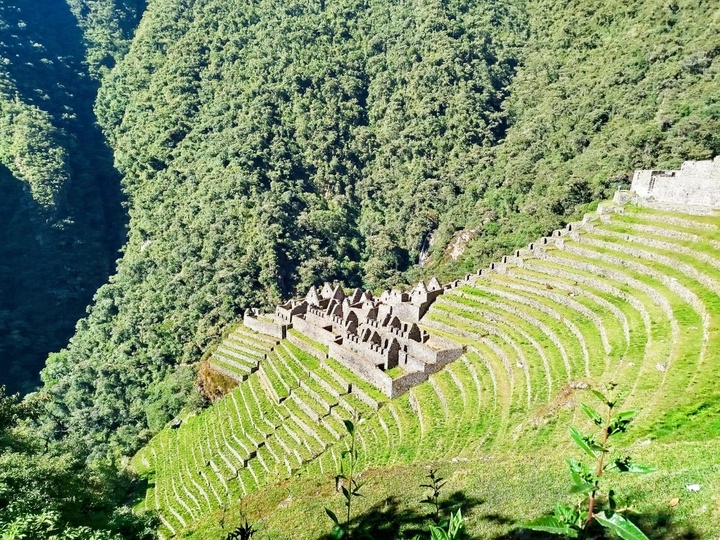
In the early afternoon, we’ll arrive at Wiñay Wayna, meaning “Forever Young,” the campsite closest to Machu Picchu. After some time to rest and recharge, your guide will lead a visit to the Wiñay Wayna Inca site, one of the most spectacular ruins along the trail.

In the evening, we’ll share a special final dinner with the team—our way of honoring the people who made this journey possible at Inside Peru Adventures. We’ll turn in early, ready for our sunrise approach to Machu Picchu the following morning. A moment to thank the porters, with optional tips, is usually held this evening.

Day Highlights

  • Beautiful sections of “Inca Flats” through changing landscapes.

  • Phuyupatamarca viewpoint, the City in the Clouds.

  • Intipata terraces overlooking the Urubamba Valley.

  • Guided visit to Wiñay Wayna, one of the most iconic sites before Machu Picchu.

  • Final team dinner before Machu Picchu day.

What’s Included Today

  • Meals: Breakfast, trail lunch, and dinner prepared by our trekking chef.

  • Accommodation: Wiñay Wayna Camp in a double-occupancy tent.

  • Guided Experience: IPA-certified bilingual trekking guide, trained in first aid and altitude awareness.

  • Support Team: Professional porter team, trekking chef, and kitchen staff.

  • Rain Protection Kit: Rain poncho and backpack rain cover provided by IPA and returned after the trek.

  • Sleep-Warm Kit: Sleeping bag, insulated sleeping pad, clean liner, and soft pillow provided by IPA and returned after the trek.

  • Backpack Support: One IPA backpack, with a maximum weight of 7 kg / 14 lb, carried by porters.

  • Hydration: Boiled or filtered water provided at lunch and at camp.

  • Safety: First-aid kit and emergency oxygen carried by the guide.

Trekking Details

Starting ElevationChaquiqocha Camp — approx. 3,600 m / 11,811 ft
Highest ElevationPhuyupatamarca — approx. 3,650 m / 11,975 ft
Overnight ElevationWiñay Wayna Camp — approx. 2,650 m / 8,694 ft
Hiking DistanceApprox. 10 km / 6.2 mi
Hiking TimeApprox. 5–6 hours
DifficultyModerate — mostly downhill and scenic
EcosystemsHigh Andean transition zone, high cloud forest, and subtropical cloud forest
Day 4: Winay Wayna - Sun Gate - Machu Picchu - Aguas Calientes - Cusco

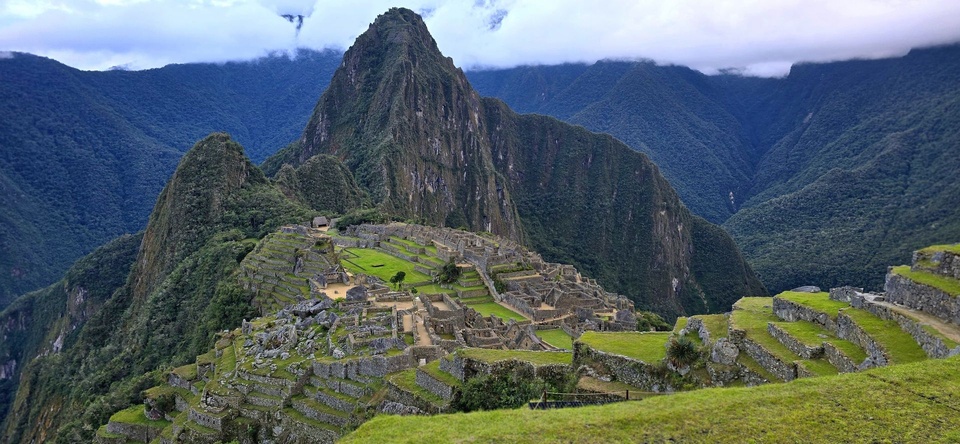
 Today is the grand finale. We’ll start before sunrise to reach Machu Picchu at the best possible time. After a packed breakfast, we’ll hike toward Inti Punku, the Sun Gate, the legendary entrance where the first panoramic view of Machu Picchu unfolds.

From the Sun Gate, we’ll continue descending toward Machu Picchu, arriving at the main viewpoint for the classic photos. We’ll then begin a guided tour of the citadel’s main sectors. Circuits depend on the availability and time slot assigned to your ticket, but your guide will always aim to provide the most complete and scenic experience possible.

After the guided tour, we’ll exit the site and take the bus to Aguas Calientes. You’ll have free time to enjoy lunch on your own. Later, board the Expedition train to Ollantaytambo, where our private transportation will be waiting for the final journey back to Cusco and your hotel.

Estimated arrival at your hotel in Cusco is around 8:00 p.m., subject to train schedules.

Optional Add-On: Huayna Picchu or Machu Picchu Mountain

  • Huayna Picchu: This iconic peak beside Machu Picchu is famous for its steep stone paths and breathtaking views. The hike typically takes 45 minutes to 1 hour uphill, around 30 minutes at the summit, and approximately 45 minutes downhill. It requires an additional permit costing US$75 per person, non-refundable and subject to availability.

  • Suggested Huayna Picchu Entry: We generally request an entry time between 9:00 and 10:00 a.m. so you can enjoy your guided tour of Machu Picchu first. Timed entries may vary depending on availability.

  • Important Note: Huayna Picchu is steep and exposed. It is not recommended for travelers who are afraid of heights.

  • Machu Picchu Mountain: This higher peak offers stunning panoramic views of the Andes and the citadel. It is longer and more demanding, typically taking 1.5 to 2 hours to reach the summit.

  • Extra Day Required: Machu Picchu Mountain requires a second visit to Machu Picchu on a separate day because its early entry times generally cannot be combined with the guided tour after the Inca Trail trek.

  • Permit Cost: The Machu Picchu Mountain permit costs US$75 per person, is non-refundable, and is paid directly to the government.

What’s Included Today

  • Meals Included: Early packed breakfast.

  • Rain Protection Kit: Rain poncho and backpack rain cover provided by IPA and returned after the trek.

  • Entrance Tickets: Machu Picchu entrance ticket, circuit, and assigned entry time, subject to availability.

  • Bus Ticket: One-way bus from Machu Picchu to Aguas Calientes.

  • Train Ticket: Expedition-class train from Aguas Calientes to Ollantaytambo. Upgrades available upon request.

  • Transfer: Private vehicle from Ollantaytambo to Cusco with hotel drop-off.

  • Guided Experience: Bilingual certified guide for approximately 2.5–3 hours inside Machu Picchu.

  • Support: Coordination for optional additional hikes, if pre-arranged.

Trekking & Site Details

Starting ElevationWiñay Wayna — approx. 2,650 m / 8,694 ft
Final ElevationCusco — approx. 3,399 m / 11,152 ft
Walking DistanceApprox. 3–5 km / 2–3 mi inside the citadel, depending on the circuit
Guided Site TimeApprox. 2.5–3 hours, plus free time as available
DifficultyEasy to Moderate — stairs and uneven stone paths
Main HighlightsSunrise approach, Sun Gate views, classic panoramic photo viewpoint, and expert-guided interpretation

Good to Know

  • Passport Required: Keep your passport handy along with your Machu Picchu ticket.

  • Restrooms: Available only outside the Machu Picchu entrance and may require a small fee of approximately S/2.

  • Small Backpack Only: Large backpacks are restricted. Bring a small backpack into the site.

  • Backpack Storage: Larger bags can be stored near the entrance for approximately US$5, subject to availability.

  • Hydration: Water is not sold inside the citadel. Bring a refillable water bottle.

  • Bus Frequency: Buses between Machu Picchu and Aguas Calientes run frequently, typically every 30 minutes, depending on queues.

  • Meals Today: Lunch in Aguas Calientes and dinner in Cusco are at your own expense unless otherwise stated in your booking.

  • Train Schedule: Please arrive at the station early. Departure times vary depending on availability.

Included

Included

Pre-Trek Preparation
  • Pre-departure briefing: Evening briefing at the Inside Peru Adventures office one day before departure, including an itinerary review, safety protocols, final equipment check, and important recommendations for the route.
  • IPA Backpack Provided: You will receive an Inside Peru Adventures backpack during the briefing. The backpack is carried by our porter team and has a maximum weight limit of 7 kg / 14 lb.
Expert Guides, Safety & Interpretation
  • Expert Guides: English-speaking certified trekking guides trained in first aid, high-altitude protocols, Inca history, and cultural interpretation.
  • Meaningful Interpretation: Your guide brings the Classic Inca Trail to life through history, archaeology, Andean context, landscapes, and local knowledge.
  • Safety Support: A first-aid kit and emergency oxygen are carried by the guide throughout the trek.
Comfortable Transportation
  • Private Pick-Up: Early pick-up service from your hotel in Cusco, Urubamba, or Ollantaytambo according to the confirmed itinerary.
  • Transfer to Km 82: Comfortable private transportation to Piscacucho / Km 82, with a breakfast stop in Ollantaytambo before starting the trek.
  • Return Transfer: Private vehicle from Ollantaytambo back to Cusco with hotel drop-off after the train journey.
Inca Trail Permits & Entrance Tickets
  • Classic Inca Trail Permit: Government-issued permit for the 4-day Classic Inca Trail, subject to availability at the time of booking.
  • Machu Picchu Entrance Ticket: Entrance ticket to Machu Picchu according to the best available circuit and time slot at the time of booking.
  • Bus Ticket: One-way bus ticket from Machu Picchu to Aguas Calientes on Day 4.
Accommodation & Camp Comfort
  • Expedition-Style Camping: 3 nights of camping in tents at designated campsites along the Classic Inca Trail.
  • Double-Occupancy Tents: Tents are provided for double occupancy. If a traveler prefers a private/single tent, an additional supplement applies and must be arranged by email after the deposit is paid, subject to availability.
  • IPA Sleep-Warm Kit: Sleeping bag, insulated sleeping pad, clean liner, and soft pillow are included for greater comfort at altitude.
  • IPA Rain Protection Kit: Rain poncho and backpack rain cover are included for use during the trek.
  • Mandatory Return: The IPA backpack, Sleep-Warm Kit, and Rain Protection Kit must be returned together at the end of the trip. If packed inside your IPA backpack, these items count toward the 7 kg / 14 lb weight limit. Replacement or cleaning fees may apply to lost or damaged items.
Support Team & Equipment Handling
  • Porters for Your Backpack: Your IPA backpack is carried between campsites by our professional porter team, up to the maximum weight limit of 7 kg / 14 lb.
  • Professional Camp Team: Trekking chef, kitchen staff, and porter team support the expedition throughout the trekking days.
  • Camp Dining: Comfortable dining facilities with a dining tent, tables, seating, and chef service throughout the trekking days.
Meals & Hydration
  • Meals Included: 4 breakfasts, 3 lunches, and 3 dinners.
  • Chef-Prepared Meals: Freshly prepared meals cooked by a professional trekking chef throughout the trek.
  • Safe Drinking Water: Boiled or filtered water provided with all meals. Please bring reusable bottles or a hydration bladder.
  • Special Diets: Vegetarian and special dietary requirements are available upon request at the time of booking.
Train & Return Logistics
  • Expedition Train Ticket: Scenic return journey aboard the PeruRail Expedition train from Aguas Calientes to Ollantaytambo.
  • Upgrade Option — Vistadome Train: Travelers seeking greater comfort and panoramic windows can upgrade to the PeruRail Vistadome for an additional US$75 per person, one way, subject to availability. This upgrade is not included in the base package and must be requested at the time of booking.
The Inside Peru Adventures Difference
  • Small-Group Expedition Style: Unlike mass-market operators, Inside Peru Adventures focuses on small-group treks with thoughtful pacing, personalized attention, and respect for protected trail regulations.
  • Ethical Operations: Our porters, chefs, assistants, guides, and drivers work under fair, respectful, and responsible conditions.
  • Sustainable & Meaningful Travel: By choosing Inside Peru Adventures, you support responsible tourism, fair employment, cultural respect, environmental stewardship, and the IPA Sustainable Fund.

Not Included

Trekking Pole Rental: Trekking poles are strongly recommended. Bring your own poles with rubber tips or rent a pair from IPA for US$25.
Huayna Picchu Entrance: This optional hike to the iconic peak near Machu Picchu is not included. It requires a separate permit and sells out quickly. If you would like to add it, please request it at least one month in advance. Cost: US$75 per person, non-refundable and subject to availability.
Machu Picchu Mountain Permit: Optional additional permit. Cost: US$75 per person. This option requires a second visit to Machu Picchu and an extra day.
Private/Single Tent: Tents are included for double occupancy. A private tent can be requested for an additional supplement by email after the deposit has been paid, subject to availability.
Personal Daypack: Please bring a small backpack, preferably no larger than 25L, for everyday essentials such as water, sunscreen, insect repellent, layers, a hat, camera, and personal items.
Lunch in Aguas Calientes and Dinner in Cusco on Day 4: Lunch and dinner on the final day are at your own expense unless otherwise stated in your booking.
Flights: Domestic and international flights are not included. We strongly recommend arriving in Cusco at least two days before the trek to acclimatize to the altitude and avoid potential disruptions. Weather-related delays and cancellations are common on flights to Cusco, so choosing a reliable airline is important. LATAM is generally considered the most reliable option, while Avianca and Sky Airline are also suitable alternatives. Since your return to Cusco is scheduled for the evening of Day 4, outbound flights should be booked for the following day.
Travel Insurance: Comprehensive travel insurance is strongly recommended, especially for altitude-related concerns, weather disruptions, delays, medical needs, cancellations, or unexpected events.
Personal Expenses: Souvenirs, drinks, snacks, laundry, extra services, and optional purchases are not included.
Tips: Tips for guides, porters, cooks, and drivers are not included and are entirely optional. If you feel the team provided exceptional service, you are welcome to show your appreciation at your discretion.
Restrooms at Machu Picchu Entrance: Restrooms are located outside the Machu Picchu entrance and may require a small fee of approximately S/2.
Backpack Storage at Machu Picchu Entrance: Optional storage may be available near the entrance for approximately US$5, subject to availability.

Price

4D/3N Classic Inca Trail to Machu Picchu Expedition

The 4D/3N Classic Inca Trail to Machu Picchu Expedition operates as a premium shared small-group service with ethical porter support, chef-prepared meals, Inca Trail permits, Machu Picchu entrance, camp logistics, and IPA comfort equipment included.

Group Tour

US$1,395 per person

Shared departure in small groups. Includes 3 nights of camping in double-occupancy tents, chef-prepared meals, Inca Trail permit, Machu Picchu entrance ticket, porter support, Expedition train, one-way bus, and private transfer back to Cusco.

Special Rate for Open Groups

For a booking of 6 or more travelers on a regular open-group departure:

From US$1,195 per person, subject to availability and final group size.

Please contact us before booking so we can confirm the best available group rate.

Private Tour

Dedicated guide, chef, porter team, and exclusive logistics for your party.

  • 2 trekkers: US$1,695 per person
  • 3 trekkers: US$1,595 per person
  • 4 trekkers: US$1,495 per person
  • 5 trekkers: US$1,395 per person
  • 6 trekkers: US$1,295 per person
  • 7 trekkers: US$1,245 per person
  • 8 or more trekkers: US$1,195 per person
Student Discount

US$25 discount per person for travelers aged 17 or under, or travelers with a valid university student ID. Proof is required at the time of booking. More information about the student ID.

Required Deposit

To secure your reservation, a non-refundable US$495 per person deposit is required. The remaining balance is US$900 per person.

Important: Any transfer fees, bank fees, PayPal fees, Wise fees, card processing fees, or intermediary charges must be covered by the traveler so that the net amount received by Inside Peru Adventures matches the required deposit amount.

Total Price: US$1,395

Deposit: US$495

Balance: US$900

Optional Add-Ons & Upgrades
  • One-way Vistadome Train Upgrade: US$75 per person
  • Huayna Picchu Permit: US$75 per person
  • Machu Picchu Mountain Permit: US$75 per person; requires an extra day/second visit
  • Trekking Pole Rental, pair: US$25
  • Private Tent, single occupancy: US$35 per night / typically US$105 for 3 nights
  • Extra Night in Aguas Calientes, if required: US$150 per room, per night, based on double occupancy and subject to availability.

Travel Info

Getting to Cusco

 Cusco Airport (CUZ) is primarily a domestic airport, with limited international routes operating on select days or during certain seasons. Most international travelers first fly to Lima (LIM), clear immigration and customs, collect their checked luggage, and then check in again for their domestic flight to Cusco.

  • By Air: The fastest and most convenient option is to fly from Lima to Cusco. Airlines such as LATAM, Avianca, and SKY operate daily flights. LATAM typically offers greater frequency and reliability, but may be more expensive.
  • Weather Delays: Cusco is a high-altitude airport, so weather-related delays or cancellations can occur. Build some flexibility into your travel schedule.
  • By Bus: Traveling from Lima to Cusco by bus generally takes around 20–22 hours. Modern buses with VIP or reclining seats can be comfortable, especially when traveling from Lima, Arequipa, or Puno.
  • Inside Peru Tip: Arrive in Cusco at least 2 days before your trek to acclimatize to the altitude and protect your plans against potential travel delays.
Briefing & Check-In

 The pre-trek briefing is mandatory and takes place in Cusco on the evening before departure. You’ll meet your Inside Peru Adventures guide for a complete route briefing, safety guidance, final equipment check, and important recommendations for the Classic Inca Trail.

  • You’ll receive your Inside Peru Adventures expedition backpack during the briefing.
  • Your guide will review the itinerary, permits, weather conditions, packing details, and safety protocols.
  • Bring your passport, travel insurance information, and any questions you may have.
  • If you have dietary restrictions, allergies, or medical concerns, please confirm them during the briefing.
Pickups & Meeting Point

 Pickup is coordinated by our operations team the day before your trek. Since Cusco’s historic center has narrow streets and limited vehicle access, we may arrange hotel pickup when access is possible or provide a nearby meeting point within a short walking distance.

  • Pickup Window: Please be ready 30–45 minutes around your confirmed pickup time. Traffic and city access restrictions may affect the timing.
  • Sacred Valley Option: If you are staying in Urubamba or Ollantaytambo, we can often arrange pickup there upon request, subject to the route schedule and group logistics.
  • Inside Peru Tip: If you are booking accommodation before the trek, choose a location with easy vehicle access to make pickup more convenient.
Trek / ServicePossible Departure Locations
Classic Inca Trail Group ExpeditionHotel pickup or meeting point in Cusco. Urubamba / Ollantaytambo upon request, subject to the route schedule.
Salkantay, Lares, Huchuy Qosqo, Choquequirao, Ausangate & Rainbow TreksCusco only.
Day ToursHotel pickup or meeting point in Cusco. Urubamba / Ollantaytambo upon request, subject to the route schedule.
Luggage Guidelines & Storage

During the mandatory pre-trek briefing, you’ll receive your IPA expedition backpack and complete a final equipment check with your guide. Our porter team carries your expedition backpack between campsites and returns it to you at each camp.

ItemLimit / How It Works
IPA Expedition BackpackMaximum 7 kg / 14 lb, carried by porters. Pack your clothing and personal items here. If your sleeping bag, liner, pillow, or other borrowed equipment is packed inside, it counts toward the 7 kg limit.
DaypackMaximum recommended size: 25L. You carry your daily essentials: water, rain gear, sun protection, snacks, camera/phone, and passport.
Rain PonchoProvided by IPA for trekking days. Easy to wear over your layers during sudden rain showers.
Backpack Rain CoverProvided by IPA to protect your daypack and electronics. Keep it readily accessible near the top of your backpack.
Main Luggage StorageExtra luggage you don’t need for the trek can be securely stored in Cusco and returned after the trip.
Machu Picchu Backpack RuleLarge backpacks are restricted inside the citadel. Only enter with a compact daypack.

Important: Keep valuables, electronics, documents, money, and your passport in your daypack, not in the expedition backpack. 

Sleep-Warm System Included

For comfortable camping at high altitude, Inside Peru Adventures includes a complete Sleep-Warm Kit at no extra cost.

  • Warm sleeping bag.
  • Insulated inflatable sleeping pad.
  • Clean sleeping bag liner.
  • Soft pillow.

If packed inside your expedition backpack, this equipment counts toward the 7 kg / 14 lb backpack limit. All borrowed items must be returned complete at the end of the trip. Replacement or cleaning fees may apply to lost or damaged items. 

Accommodation - Expedition Camping

This is a true expedition-style trek, not a lodge-based experience. There are no lodges along the Classic Inca Trail. Camping is mandatory under Peru’s strict protection measures designed to preserve the Machu Picchu Historic Sanctuary, fragile ecosystems, and archaeological areas.

  • 3 nights at designated Inca Trail campsites.
  • High-quality expedition tents with double occupancy.
  • Dining setup with tables and seating.
  • Kitchen and chef service with freshly prepared meals on the trail.
  • Dedicated team support to keep the campsite organized, comfortable, and efficient.

Camping here is not “basic”; it is the authentic way to experience Peru’s most iconic and regulated trekking route, with comfort and structure built into the experience. 

Altitude & Acclimatization

 Altitude can affect each person differently, even fit and well-prepared travelers. Common mild symptoms include headache, fatigue, shortness of breath when climbing stairs, mild dizziness, or reduced appetite. The best approach is simple: take it slowly, stay hydrated, eat light meals, and rest.

If symptoms are severe or do not improve, inform your guide promptly. Our team is trained to support travelers experiencing altitude-related discomfort and monitor your well-being, and we carry altitude-support equipment on high-altitude routes. Some travelers use altitude medication such as acetazolamide; consult your doctor before traveling and follow their medical advice.

Site / LocationElevation
Cusco City3,399 m / 11,152 ft
Ollantaytambo, Sacred Valley2,792 m / 9,160 ft
Km 82 / PiscacuchoApprox. 2,650 m / 8,694 ft
Patallacta / LlactapataApprox. 2,750 m / 9,022 ft
Ayapata CampApprox. 3,300 m / 10,827 ft
Warmiwanusqa / Dead Woman’s Pass4,215 m / 13,829 ft
Pacaymayo ValleyApprox. 3,600 m / 11,811 ft
Runcuraccay PassApprox. 4,000 m / 13,123 ft
SayacmarcaApprox. 3,600 m / 11,811 ft
Chaquiqocha CampApprox. 3,600 m / 11,811 ft
PhuyupatamarcaApprox. 3,650 m / 11,975 ft
Intipata TerracesApprox. 2,700 m / 8,858 ft
Wiñay Wayna CampApprox. 2,650 m / 8,694 ft
Inti Punku / Sun GateApprox. 2,720 m / 8,924 ft
Machu Picchu Citadel2,430 m / 7,972 ft
Aguas Calientes2,040 m / 6,693 ft
  • Walk at a steady pace. Don’t rush.
  • Stay consistently hydrated.
  • Eat light, regular meals.
  • Avoid alcohol before and during the trek.
Difficulty Level

 The Classic Inca Trail is considered moderate to challenging. Expect long hiking days, high-altitude conditions, stone stairways, uneven terrain, and one major high-altitude pass. Good physical fitness is recommended.

  • Day 2 is usually the most demanding day because of Dead Woman’s Pass.
  • The route includes many original Inca stone steps, both uphill and downhill.
  • The trek is achievable for active travelers with preparation, patience, and a steady pace.
  • Your guide sets a safe pace and uses natural regrouping points along the trail.
Group Tour Dynamics & Pacing

 Group treks bring together travelers with different walking speeds and hiking styles. Your guide sets a safe pace, uses natural regrouping points, and supports the entire team so everyone can enjoy the route without pressure.

  • If you need a slower pace, please communicate this with your guide in advance.
  • The goal is a strong group experience with personalized support.
  • High-altitude days are managed with patience, rest stops, and careful attention to each traveler’s well-being.
Machu Picchu Entrance Times & Assigned Circuits

Machu Picchu operates with timed entry and assigned circuits. Your ticket shows your entry time and circuit, and re-entry is not permitted once you leave.

ItemDetails
Circuit ReferenceCircuit 1: Upper viewpoints. Circuit 2: Central areas. Circuit 3: Lower sections.
Standard Inca Trail VisitThe typical assignment for Inca Trail arrivals may include Circuit 3, with the final circuit and entry time assigned by the authorities and confirmed closer to departure.
Sun Gate ArrivalA short guided section of Circuit 1B may be included upon arrival via Inti Punku, depending on official regulations and assigned access.
Upgrade OptionYou may request an additional ticket for a different circuit, subject to limited availability and an additional cost.
IPA Confirmation NoteThe final entry time and circuit are confirmed close to departure based on official availability.
Optional Hikes: Huayna Picchu & Machu Picchu Mountain

 If you’d like to add an iconic mountain hike above Machu Picchu, we can request it in advance. Tickets are very limited and sold in specific time slots.

Optional HikeDetails
Huayna PicchuCircuit 3A reference. Approx. 45 minutes uphill and 45 minutes downhill. Typical entry times are 7:00 a.m. or 9:00 a.m. Steep, exposed, and dramatic views. We generally aim for a later time slot when possible so you can enjoy your guided tour first, depending on availability.
Machu Picchu MountainCircuit 1A reference. Approx. 1.5 hours uphill and 1.5 hours downhill. Typical entry times are 6:00 a.m. or 8:00 a.m. A longer ascent with expansive panoramic views. It often requires a second ticket and an additional visit, usually the following day.
  • These hikes require an additional ticket and a specific entry time.
  • Availability is controlled by the authorities and can sell out well in advance.
  • If your preferred option does not fit the Classic Inca Trail schedule, we’ll recommend the best alternative based on official availability.
Returning to Cusco After Machu Picchu

After your visit to Machu Picchu, you’ll take the bus to Aguas Calientes, then continue by train, typically to the Sacred Valley, and finish with private transportation back to Cusco.

  • Exact timing depends on train schedules and operational conditions.
  • Your stored main luggage will be returned after the trek.
  • Do not book an outbound flight from Cusco for the same evening. Schedule your flight for the following day.
Weather & Packing Tips

The Peruvian Andes are full of microclimates. On the Classic Inca Trail, you’ll travel from cool Andean mountain ranges to warmer, more humid cloud forests. Be prepared for rapid weather changes and significant temperature fluctuations.

  • Dry Season: April to October generally offers the best trekking conditions, with sunny days and cooler nights at camp. Permits tend to sell out earlier.
  • Rainy Season: November to March brings more frequent rainfall, muddy trails, and increased humidity in the cloud forest.
  • February Closure: The Classic Inca Trail closes every February for maintenance and conservation work.
  • Weather-Related Closures: During periods of unusually heavy rainfall, authorities may temporarily close sections of the trail for safety and trail rehabilitation.

Classic Inca Trail Smart Packing Essentials

  • Layered Clothing: Thermal base layer, warm mid-layer, and lightweight waterproof outer layer.
  • Sun Protection: SPF 50+, UV-protection sunglasses, and a sun hat.
  • Compact Rain Gear: A rain poncho or waterproof jacket is essential.
  • Footwear: Wear well-broken-in hiking shoes or boots with solid traction. Avoid new footwear.
  • Warm Accessories: Beanie, lightweight gloves, and neck warmer for cold mornings and camping nights.
  • Headlamp: Highly recommended for campsites and early starts.
  • Hydration: Bring a refillable water bottle or hydration bladder.
  • Passport: Keep your original passport or ID document in your daypack throughout the trek.
First Aid & Safety

 At Inside Peru Adventures, your well-being comes first. Our professional guides are trained in first aid, high-altitude safety, evacuation protocols, and outdoor risk management.

  • Trained Guides: Certified guides prepared to handle common trail situations, minor injuries, and altitude-related discomfort.
  • First-Aid Kit: We carry a fully equipped first-aid kit on every trek.
  • Oxygen Support: For routes above 3,000 m / 9,840 ft, including the Inca Trail, guides carry portable oxygen and monitor symptoms.
  • Emergency Planning: Routes are selected and operated with evacuation options, local coordination, and emergency response plans in mind.
Travel Insurance

Although Inside Peru Adventures prioritizes safety and preparation, adventure travel always involves some degree of unpredictability. We strongly recommend purchasing comprehensive travel insurance before your trip.

  • Altitude sickness and medical emergencies.
  • Trip cancellations or itinerary disruptions.
  • Weather-related delays or disruptions.
  • Emergency evacuation and repatriation.
  • Lost or delayed luggage.
  • Coverage for trekking, hiking, and adventure travel activities.

Pro Tip: Not all insurance policies automatically cover high-altitude trekking. Check that your provider includes activities above 3,000 m / 9,840 ft and adventure travel. 

Social Protests & Operational Flexibility

 Peru occasionally experiences social protests or transportation strikes that can disrupt roads or railway services. Your safety and well-being always come first.

  • Our operations team may proactively adjust logistics with earlier departures, alternative routes, or revised schedules.
  • We coordinate transparently with your group and local authorities.
  • We operate only when it is safe and responsible to do so.
  • If road or railway closures make the trek impossible to operate, we will discuss equivalent alternatives or rescheduling options based on the situation on the ground.
Lost & Found

You are responsible for your personal belongings throughout the trek. Double-check vans, campsites, viewpoints, restaurants, and train stations, and avoid leaving equipment unattended on the trail.

  • Inform your guide immediately if anything is missing.
  • Keep your passport, money, electronics, and valuables in your daypack.
  • Label personal items whenever possible.
Tipping Etiquette

Tipping is customary on multi-day treks in Peru, but it is always voluntary. At IPA, we pay fair wages; tips are a personal way to recognize exceptional service.

  • Currency: The support team generally prefers Peruvian soles. Guides are happy to receive USD or PEN.
  • When: Usually after the final dinner or farewell briefing at the end of your trek.
  • Classic Inca Trail Note: On this trek, the support team consists of porters and kitchen staff.
  • How to Pool Tips: Travelers typically prepare two envelopes: one for the support team and another for the chef/kitchen team. The lead guide handles the fair distribution and presents the tips on your behalf.
  • Lead Guide: The lead guide’s tip is given personally, based on your satisfaction.
Trek TypeSuggested Amounts per Traveler
4D/3N or 5D Inca TrailPorters: S/60–80 — Kitchen Team: approx. S/150
7D Inca TrailPorters: S/100–120 — Kitchen Team: approx. S/200
2D/1N Inca TrailSupport Team: approx. S/50 — Cook/Support Team: approx. S/100, if applicable

Smaller private groups mean the same crew supports fewer travelers. If you have 1–3 trekkers, consider the upper end of the suggested ranges, or 10–20% more if the service is excellent. Tips are shared at your discretion and are always appreciated. 

Sustainability & Community Responsibility

At Inside Peru Adventures, sustainability is not just a value; it’s the way we operate. Our tours are designed with deep respect for nature, culture, and people.

  • Responsible Travel: We follow low-impact principles and encourage travelers to respect trail regulations, local communities, and archaeological sites.
  • Fair Employment: We prioritize fair wages, respectful treatment, and safe working conditions for guides, porters, chefs, assistants, and drivers.
  • Environmental Stewardship: We reduce single-use plastic, encourage reusable water bottles, and promote responsible waste management.
  • IPA Sustainable Fund: A portion of every booking supports education, conservation, and community initiatives.
Why Choose IPA: Women Empowerment & Social Equity

Inside Peru Adventures is committed to building a more inclusive and responsible tourism model in Peru. We believe travel should create opportunities, not just experiences.

  • Women-Led Approach: A women-led approach to tourism operations and business development.
  • Supporting Women in Tourism: Supporting female guides, future tourism professionals, and local leaders.
  • Community Collaboration: Respectful collaboration with local communities and service providers.
  • Meaningful Travel: Promoting meaningful journeys that value people, culture, and place.
IPA Foundation: Women, Education & Community Impact

 The IPA Sustainable Fund supports long-term initiatives focused on education, conservation, fair employment, and community well-being. Every traveler who books with Inside Peru Adventures becomes part of a broader positive impact.

  • Education & Training: Educational and training opportunities for local tourism talent.
  • Community Support: Support for community initiatives connected to responsible travel.
  • Conservation-Focused Operations: Initiatives that help protect Peru’s cultural and natural heritage.
  • Purposeful Tourism: Tourism designed to benefit both travelers and the people who make every journey possible.

Packing List

Essentials

  • Valid Passport: Always carry your original passport or official identification document. It is required at Inca Trail checkpoints, Machu Picchu entry, trains, and hotel check-ins.
  • Student ID: Required only if you booked with a student discount. Bring the same valid student ID used for your reservation.
  • Entry Record: Carry your passport entry stamp or Andean migration record, if issued.
  • Travel Insurance Details: Bring your policy number and proof of coverage, especially for trekking above 3,000 m / 9,840 ft.
  • Tickets & Hotels: Your IPA guide manages train tickets, bus tickets, Machu Picchu entry, and logistical arrangements. Keeping a digital copy on your phone is optional for peace of mind.
  • Trekking Poles: Highly recommended for the Inca Trail. Rubber tips are required. Bring your own or rent a pair from IPA for US$25, subject to availability.


For Your Duffel

Your IPA expedition duffel is carried by the porter team and has a maximum weight limit of 7 kg / 14 lb. Pack the items you’ll need at camp and overnight, not the items you’ll need during the day’s hike.

IPA Provides: Expedition duffel, warm sleeping bag, insulated inflatable sleeping pad, clean liner, soft pillow, rain poncho, and backpack rain cover. If the sleeping bag, sleeping pad, liner, or pillow are packed inside the duffel, they count toward the 7 kg limit.

  • 2–3 moisture-wicking trekking shirts.
  • 2–3 pairs of hiking pants.
  • 4 sets of underwear.
  • 4 pairs of hiking socks.
  • Warm layers for cold nights, especially at higher camps and early mornings.
  • Lightweight jacket.
  • Waterproof jacket and rain pants, recommended even though IPA provides a poncho.
  • Wool hat or beanie.
  • Lightweight waterproof gloves for cold mornings.
  • Headlamp, essential for campsites and early starts.
  • Comfortable camp shoes, such as lightweight sandals or sneakers.
  • Quick-dry towel. IPA provides a small one, but you can bring a larger one if preferred.
  • Small personal soap, optional. Warm water for basic washing is provided at camp.
  • Power bank and charging cable. There are no power outlets along the trail.
  • Large plastic bags or dry bags to separate clean and dirty clothing.

Important: Do not pack your passport, money, valuables, electronics, medications, or fragile items in your expedition duffel. Keep them in your daypack. 

Clothing & Footwear

 The most important rule for the Classic Inca Trail is layering. You’ll experience cold mornings, exposed stone steps, high-altitude sections, and warmer cloud forests closer to Machu Picchu.

  • Trekking Shoes or Boots: Wear well-broken-in hiking shoes or boots with solid traction. Water-resistant footwear is strongly recommended.
  • Avoid New Footwear: Comfortable, well-tested shoes are much better for preventing blisters.
  • Layering System: Breathable base layer, fleece or sweater, and waterproof/windproof outer layer.
  • Lightweight Long-Sleeve Shirts: Useful for sun and insect protection.
  • Lightweight Long Pants: Breathable pants help protect against the sun, insects, and vegetation.
  • Quick-Dry Underwear: Lightweight and easy to pack.
  • Extra Thermal Layer: Useful for cold nights and early mornings at camp.
  • Merino or Synthetic Socks: Bring an extra pair to keep your feet dry and comfortable.
  • Sun Hat or Cap: Essential for UV exposure at high altitude.
  • Buff or Lightweight Scarf: Useful for sun, wind, and cold mornings.
  • Warm Beanie and Gloves: Recommended for camping nights and early starts.
Inside Your Daypack

 Your daypack is for daily use and should be small, comfortable, and ideally 25 liters or less. Large backpacks are restricted at Machu Picchu, so a compact daypack is best.

IPA Provides: Rain poncho and backpack rain cover. Keep them easily accessible, as the weather can change quickly.

  • Passport: Required for checkpoints and entry to Machu Picchu.
  • Water: Bring your own water for the morning of Day 1 until the first refill at lunch.
  • Reusable Water Bottle or Hydration Bladder: Sufficient capacity for your daily hikes.
  • Sun Hat: Keep it accessible during exposed sections.
  • Rain Gear: Carry your poncho or waterproof jacket in your daypack.
  • Fleece or Warm Layer: Weather changes quickly, especially near mountain passes and early in the morning.
  • Phone or Camera: Keep it protected from rain and dust.
  • Headphones: Optional for quiet moments.
  • Hand Sanitizer: Useful for meals, bathrooms, and checkpoints.
  • Toilet Paper and Small Trash Bag: Please pack out personal waste responsibly.
  • Extra Cash in Peruvian Soles: Useful for tips, bathrooms, snacks, and small purchases.
  • Earplugs: Optional, but useful at campsites.
  • Personal Medication: Keep important medications with you, not in your expedition duffel.
  • Daily Snacks: Bring compact, energy-rich snacks between meals.
Water, Snacks & Electronics

Water & Hydration

Inside Peru Adventures provides drinking water starting at lunch on Day 1 and with meals throughout the trek. You are responsible for your own water on the morning of Day 1 until the first refill at lunch.

  • Bring enough capacity for 2–3 liters per day.
  • Use a reusable water bottle, hydration bladder, or CamelBak-style reservoir.
  • Staying hydrated is especially important at high altitude.

High-Energy Snacks

Meals are included, but personal snacks are useful for extra energy during long hiking days.

  • Granola bars.
  • Trail mix.
  • Dried fruit.
  • Nuts.
  • Protein bars.
  • Small chocolate bars.

Electronics & Useful Extras

  • Camera or Smartphone: You’ll want to capture landscapes, campsites, Inca sites, and spontaneous moments.
  • Power Bank: Essential because there are no charging outlets along the trail.
  • Charging Cable: Bring the correct cable for your devices.
  • Headlamp: Useful at campsites and for early starts.
  • Extra Zip Bags or Dry Bags: Useful for protecting electronics and separating items.
  • Cash in Small Peruvian Soles: Useful for optional tips, snacks, or small purchases.
  • Comfortable Sleepwear: Lightweight but warm enough for camping nights.
  • Extra Pair of Socks: A dry pair can make a big difference.

Important Practical Notes
  • Machu Picchu Entry: Your original passport is required. Copies or digital versions are not sufficient.
  • Backpack Size at Machu Picchu: Small backpacks are best. Large bags are not permitted inside the citadel.
  • Trekking Poles: Poles must have rubber tips to protect the trail.
  • Weather: Conditions can change quickly, so be prepared for strong sun, cold mornings, sudden rain, and humid cloud forest.
  • Cold Nights: Nights in the Andes can be cold, especially at higher campsites, so warm layers are essential.
  • Pack Light: The lighter and more organized your luggage is, the more comfortable your trek will be.

Final Packing Advice

  • Main Luggage: Everything you do not need during the trek.
  • Expedition Duffel: Overnight hiking items and extra clothing, maximum 7 kg / 14 lb.
  • Daypack: Daily essentials, valuables, layers, passport, water, medications, and personal items.

Packing this way will help make your Classic Inca Trail experience smoother and more comfortable from start to finish. 

Equipment, Food & Water

Equipment

 This is a true expedition-style trek along Peru’s most iconic and regulated trail. Inside Peru Adventures provides the essential camping infrastructure so you can focus on the experience rather than the logistics.

Camping Setup

  • Expedition Tents: You’ll camp in high-quality expedition tents at designated Inca Trail campsites.
  • Double Occupancy: Tents are provided for double occupancy. Private/single tents are available for an additional fee and must be requested in advance by email, subject to availability.
  • Organized Campsites: Each campsite is fully set up by our team before or upon your arrival, depending on trail logistics and campsite access.
  • Dining Area: The campsite includes a comfortable dining setup with tables and seating.
  • Kitchen Setup: A dedicated kitchen area is managed by our trekking chef and support team, creating an organized and efficient base even in remote trail environments.

Included Sleep-Warm Kit

For cold nights at high altitude, IPA includes a complete Sleep-Warm Kit at no additional cost. This makes your camping experience warmer, cleaner, and more comfortable.

  • Warm Sleeping Bag: Included for cold mountain nights.
  • Insulated Inflatable Sleeping Pad: Included for additional comfort and ground insulation.
  • Clean Sleeping Liner: Included and cleaned between departures.
  • Soft Pillow: Included for better rest at camp.
  • Cleaning & Sanitation: All sleeping equipment is cleaned and sanitized between departures.

If you pack the Sleep-Warm Kit inside your IPA expedition duffel, it will count toward the 7 kg / 14 lb porter weight limit. All issued equipment must be returned at the end of the trek. Replacement or cleaning fees may apply to lost or damaged items.

Duffel, Daypack & Rain Protection

  • IPA Expedition Duffel: During the mandatory pre-trek briefing, you’ll receive your IPA expedition duffel, which will be carried between campsites by our porter team.
  • Duffel Weight Limit: Maximum 7 kg / 14 lb per traveler. If your Sleep-Warm Kit is packed inside it, it counts toward this limit.
  • Lightweight Daypack: You’ll hike each day with only a lightweight daypack. We recommend 25 L or less, especially for access to Machu Picchu.
  • Rain Poncho: IPA provides a rain poncho for trekking days.
  • Backpack Rain Cover: IPA provides a rain cover for your daypack to help protect your gear and electronics during sudden rain showers.

Trekking Poles & Electronics

  • Trekking Poles: Highly recommended for the Classic Inca Trail, especially for long descents and stone steps.
  • Rubber Tips Required: Rubber tips are required on the Inca Trail to protect both the trail and the original stonework.
  • Rental Option: Bring your own poles or rent a pair from IPA for US$25, subject to availability.
  • No Electricity at Campsites: Electricity is not available at the campsites, so bringing a power bank for your phone or camera is highly recommended.
  • Personal Gear Preferences: If you have specific comfort needs or equipment preferences, let us know in advance so we can help you prepare with confidence.
Food

 Food on the Classic Inca Trail is a fundamental part of the expedition. It is designed to keep you energized during long hiking days with significant altitude changes, while also making you feel warm, refreshed, and comfortable at camp.

Chef-Prepared Trail Meals

  • Professional Trekking Chef: Meals are freshly prepared by our professional trekking chef throughout the trek.
  • Local Andean Ingredients: Our meals combine local Andean ingredients with trail-tested nutrition.
  • Daily Meal Structure: Each trekking day includes a hot breakfast, a satisfying lunch, and a hearty dinner.
  • Dining Setup: Meals are served in our camp dining area, with tables, seating, and an organized camp service.

Included Meals

  • 4 Breakfasts: Includes breakfast on Day 1 before starting the trek and an early breakfast on Machu Picchu day.
  • 3 Lunches: Trail lunches are included throughout the trekking days.
  • 3 Dinners: Camp dinners are included during the trek.
  • Day 4 Meals Not Included: Lunch in Aguas Calientes and dinner in Cusco on Day 4 are not included unless your reservation indicates otherwise.

Happy Hour & Camp Atmosphere

In the afternoon, we offer the exclusive IPA happy hour with hot tea, coffee, and snacks. This is an ideal time to recover after the day’s hike and a warm way to enjoy camp life before dinner.

  • Hot Drinks: Tea, coffee, and hot beverages are served at camp.
  • Snacks: Light snacks are provided as part of the afternoon recovery time.
  • Family-Style Meals: Meals are served in a friendly, family-style format, allowing you to eat according to your appetite.
  • Energy & Acclimatization: Eating well is important for energy, altitude adaptation, and recovery.

Dietary Requirements

Our kitchen team follows strict hygiene and food safety protocols adapted to remote trail conditions. Dietary needs can be accommodated with advance notice.

  • Vegetarian meals available upon request.
  • Vegan meals available upon request.
  • Gluten-free meals available upon request.
  • Food allergies must be communicated at the time of booking.
  • Please confirm any dietary restrictions again during the pre-trek briefing.
Water

Proper hydration is essential for energy, recovery, and altitude adaptation on the Inca Trail. Inside Peru Adventures provides drinking water throughout the trek so you can refill responsibly and reduce single-use plastic.

Safe Drinking Water

  • Starting at lunch on Day 1: IPA provides drinking water starting at lunch on the first day and with meals throughout the trek.
  • Boiled, filtered, and cooled: Water is boiled, filtered, and cooled before being provided for refills.
  • Morning of Day 1: You are responsible for bringing your own water on the morning of Day 1 until the first refill at lunchtime.
  • Refill System: Bring reusable bottles or a hydration bladder to refill throughout the trek.

How Much Water to Carry

  • Recommended Capacity: Start each trekking day with 2–3 liters.
  • Reusable Bottles: Strongly recommended to reduce plastic waste.
  • Hydration Bladder: CamelBak-style systems are highly recommended because they make it easier to drink while hiking.
  • Electrolytes: Electrolyte tablets can be useful during long hiking days and at high altitude.

Sustainability Commitment

As part of our sustainability commitment, IPA actively reduces single-use plastic on the trails. By using refillable bottles and shared water systems, we help protect the fragile ecosystems of the Inca Trail while keeping you strong, hydrated, and ready for each day’s adventure.

  • Bring reusable bottles instead of purchasing single-use plastic bottles.
  • Keep your hydration system clean and easily accessible.
  • In Machu Picchu town, bottled water is available for purchase if needed after the trek.
  • Always follow your guide’s hydration recommendations, especially on high-altitude days.

Porters & Sustainable Commitment

How Support Works on the Classic Inca Trail

 The Classic Inca Trail is Peru’s most regulated trek. Inside Peru Adventures operates within strict government regulations while providing an expedition-style experience supported by an experienced local team.

From the trailhead to the final campsite, our porter team carries your IPA expedition duffel, with a maximum weight limit of 7 kg / 14 lb, as well as shared expedition logistics: camping equipment, kitchen supplies, and food supplies between designated campsites.

You hike with only a small daypack carrying your daily essentials, while our team handles the work behind the scenes: setting up camp, organizing the dining area, meal service, kitchen logistics, and efficient trail coordination.

  • Lightweight Trekking Model: You carry only your personal daypack, while the porter team carries your IPA expedition duffel and shared expedition equipment.
  • Camp Logistics: Our support team organizes tents, dining setup, kitchen equipment, and meal service at designated campsites.
  • Safer, Smoother Trek: This support model makes the journey safer, more organized, and much more enjoyable for travelers.
  • Local Employment: Your journey creates dignified, professional employment for local families with generations of connections to the Andes.
Fair Work, Real Protections

Inside Peru Adventures is committed to ethical operations—never shortcuts. Our porters, chef team, assistants, and guides work under clear agreements and receive fair wages.

We follow strict load policies and operational standards so our team can work safely and sustainably. Our field staff are equipped with appropriate clothing and rain protection, and they receive proper meals and support throughout the expedition.

  • Fair Wages: Our field team is fairly compensated and treated with respect.
  • Clear Load Policies: Porter loads are managed responsibly in accordance with Inca Trail regulations and ethical trekking standards.
  • Proper Field Support: Our team receives adequate meals, support, and working conditions throughout the expedition.
  • Professional Guides: Your lead guide is trained in first aid, altitude response, and emergency procedures.
  • Safe Operations: We prioritize safety, dignity, and sustainability for the people who make the trek possible.
Responsible Travel on a Regulated Trail

Como a Trilha Inca é altamente protegida, tudo deve ser feito corretamente: licenças, postos de controle, uso dos acampamentos, manejo de resíduos e regulamentos de pessoal. A IPA respeita integralmente estas regras — não apenas porque são obrigatórias, mas porque protegem um santuário cultural e natural de classe mundial.

  • Conformidade com as licenças: Operamos apenas com licenças oficiais da Trilha Inca e informações confirmadas dos passageiros.
  • Controle nos postos de controle: Viajantes, guias, carregadores e equipe de apoio devem passar pelos postos de controle oficiais ao longo do percurso.
  • Acampamentos designados: O acampamento é realizado apenas em áreas autorizadas e designadas pelas autoridades.
  • Regras da trilha protegida: Seguimos todas as regulamentações relacionadas ao uso das trilhas, aos sítios arqueológicos e à proteção ambiental.
  • Estrutura da equipe profissional: Nossas operações priorizam a segurança, a eficiência e o respeito pela trilha.
Environmental Action on the Route

 The Inca Trail passes through fragile ecosystems and irreplaceable archaeological areas. IPA operates under strict environmental standards to help protect them.

  • Leave No Trace: We follow low-impact trekking principles throughout the expedition.
  • Waste Responsibility: Waste is carefully managed and removed in accordance with trail regulations.
  • Plastic Reduction: We encourage the use of reusable bottles and reduce single-use plastic whenever possible.
  • Treated Water System: Drinking water is provided with meals when conditions allow, reducing the need for disposable bottles.
  • Trail Protection: Our team helps protect water sources, biodiversity, campsites, and archaeological areas.
Cultural Respect - Beyond the Photos

 The Inca Trail is not just a hike – it is a living cultural corridor. We practice respectful travel, protecting sacred spaces, following trail regulations, and educating travelers about cultural etiquette along the route.

Your journey is also supported by a team rooted in Andean communities, often Quechua-speaking, whose knowledge, discipline, and hard work make this expedition possible.

  • Respect for Sacred Spaces: We guide travelers to move respectfully through archaeological and ceremonial landscapes.
  • Local Knowledge: Our guides connect history, archaeology, and living Andean culture throughout the journey.
  • Andean Communities: The trek supports people and families with deep connections to the region.
  • Responsible Photography: We encourage meaningful observation, respectful interaction, and cultural sensitivity.
What Your Fare Powers

Your journey directly supports the people, logistics, equipment, and responsible operations required to properly complete the Classic Inca Trail.

  • Fair wages and ethical working conditions for porters, chefs, assistants, and guides.
  • Safer load-carrying policies and professional field standards.
  • Quality expedition equipment and proper protection for staff.
  • Responsible trail operations aligned with Inca Trail regulations.
  • Environmental management and low-impact trekking practices.
  • Long-term community initiatives supported through the IPA Sustainable Fund.

Authentic Paths, Sustainable Futures is not just a slogan — it is how your expedition is designed, priced, and delivered. 

How You Can Help

 Travelers also play an important role in protecting the Inca Trail and supporting a respectful trekking environment.

  • Pack Carefully: Bring only what you need and respect the 7 kg/14 lb backpack limit.
  • Use Reusable Bottles: Help reduce single-use plastic on the trail.
  • Leave No Trace: Do not leave waste, food packaging, or personal items along the route.
  • Respect Local Customs: Follow your guide’s advice at campsites, checkpoints, and archaeological areas.
  • Be Kind to the Crew: A thank you, patience, and respect for the crew go a long way.

Frequently Asked Questions

Why choose Inside Peru Adventures for the Classic Inca Trail?

 Inside Peru Adventures operates the Classic Inca Trail as a true expedition-style experience—not a rushed, overcrowded, or budget operation. We keep groups small, prioritize a safe pace, and provide a high-comfort camping setup with a dining tent, chef service, organized campsites, and careful logistics so you can focus on the trail rather than the stress behind it.

You will trek with certified, English-speaking guides trained in first aid and altitude protocols, supported by a professional team of porters and chefs, and backed by fair employment and responsible operations through the IPA Sustainable Fund. Our goal is simple: to do the Classic Inca Trail the right way—with safety, ethics, and meaning.

  • Small Groups: A more personal pace and better attention on the trail.
  • Expedition Comfort: Organized camping, dining tent, chef-prepared meals, and structured logistics.
  • Responsible Operations: Fair wages, ethical porter support, and compliance with protected trail regulations.
  • Meaningful Interpretation: Cultural, historical, and archaeological context throughout the journey.
How physically demanding is the Classic Inca Trail 4D/3N?

 The Classic Inca Trail is considered moderate to challenging. Expect long days of hiking, steep stone stairs, uneven terrain, and one major high-altitude pass: Warmiwanusqa, also known as Dead Woman’s Pass, at 4,215 m/13,829 ft.

This trek is ideal for travelers who are reasonably fit and looking for a rewarding challenge. You do not need to be an athlete, but you should be comfortable hiking for several hours a day at altitude.

  • Most Challenging Day: Day 2, when you cross Dead Woman’s Pass.
  • Terrain: Original Inca stone steps, mountain passes, forest sections, and uneven trails.
  • Recommended: Trekking poles are highly recommended.
  • Important: Rubber tips are required on the Inca Trail to protect the original stonework.
  • Rental: Trekking poles are available from IPA for US$25, subject to availability.
Do I need to acclimatize before the trek?

 Altitude affects everyone differently. Common mild symptoms include headache, fatigue, reduced appetite, and shortness of breath when climbing stairs. The best strategy is to maintain a steady pace, stay hydrated, eat light meals, rest well, and avoid alcoholic beverages before the trek.

  • Recommended Arrival: At least 2 days before the trek.
  • Highest Point: Dead Woman’s Pass, 4,215 m / 13,829 ft.
  • Guide Support: Your guide monitors the group and maintains a safe pace.
  • Safety Equipment: A first-aid kit and emergency oxygen are carried by the guide.
  • Medical Advice: If you plan to use altitude medication, consult your doctor before traveling.
What is the luggage policy? Duffel vs daypack

 During the mandatory pre-trek briefing, you will receive your IPA expedition backpack. Our porter team carries up to 7 kg per traveler. This weight includes everything you pack inside the backpack, including Sleep-Warm Kit items if you choose to place them inside.

You will hike each day with a small daypack, ideally 25 L or less, carrying essentials such as water, layers, sun protection, a camera or phone, personal medications, and your passport. Extra luggage can be safely stored in Cusco and returned after the trek.

  • IPA Backpack: Maximum 7 kg/14 lb, carried by porters.
  • Daypack: Recommended 25 L or less for daily essentials.
  • Keep With You: Passport, money, valuables, electronics, documents, and medications.
  • Do Not Pack in the Porter Backpack: Fragile items, valuables, passport, or anything you need during the day.
  • Main Luggage: Extra bags can be safely stored in Cusco.
When is the best time to hike the Inca Trail? What's the weather like?

 The Classic Inca Trail crosses Andean mountain ranges, cloud forests, and mountain campsites, so the weather can change quickly. You should be prepared for sunshine, cold mornings, rain, humidity, and chilly nights.

  • Best Season: April to October generally brings drier days, clearer views, cool mornings, and cold nights—ideal trekking conditions.
  • Shoulder Months: March and November can bring more variable weather, greener landscapes, and fewer crowds.
  • Rainy Season: December to March has a higher chance of rain, muddier sections, and increased humidity in the cloud forest.
  • February Closure: The Classic Inca Trail closes every February for maintenance and conservation work.
  • Alternatives: If your trip is in February, we can recommend excellent options such as Salkantay, Lares, or Machu Picchu by train.

Is the Classic Inca Trail family-friendly?

Yes, families do the Classic Inca Trail, and children can complete the route when they are physically prepared. The key is choosing it for the right child and preparing realistically.

Because the trail includes long hiking days, steep stone steps, and high altitude—especially Dead Woman’s Pass at 4,215 m / 13,829 ft—this trek is best suited for active children or teenagers with good endurance who are accustomed to long hikes or trekking.

  • Best For: Children, teenagers, and active families who are accustomed to hiking.
  • Preparation: Families should arrive early for acclimatization, preferably 2 or more days before the trek.
  • Younger Children: It may be possible in some cases, but it requires realistic expectations, excellent preparation, and parental support throughout the route.
  • Inside Peru Tip: For families, a private departure can be the more comfortable option because it allows for a more flexible pace, more rest breaks, and personalized support.
What about Machu Picchu rules, circuits, entry times, and backpack limits?

Machu Picchu operates with timed entry and assigned circuits. Your ticket includes an entry time and route, and re-entry is not permitted after leaving.

  • Timed Entry: Your entry time is assigned according to official availability.
  • Assigned Circuit: Your circuit depends on official regulations and availability at the time of booking.
  • No Re-entry: Once you leave Machu Picchu, re-entry is not permitted with the same ticket.
  • Backpack Rule: Large backpacks are restricted inside the citadel.
  • Recommended Bag: Enter with only a small backpack, preferably 25 L or less.
  • Storage: If you arrive with a larger bag, you may need to store it outside the gates at designated facilities, subject to availability and an additional fee.
What happens if there are strikes or transport disruptions in Peru?

 Peru occasionally experiences social protests or transportation strikes that may affect roads or railway services. Your safety always comes first.

If disruptions are announced, our Operations Team will proactively adjust logistics whenever possible, such as earlier departures, alternative routes, revised schedules, or updated coordination with transportation providers. We communicate transparently and operate only when it is safe and responsible.

  • Safety First: We do not operate if conditions are unsafe.
  • Operational Flexibility: Departure times, transfers, or routes may be adjusted.
  • Transparent Communication: We keep travelers informed as the situation develops.
  • Alternatives: If services become impossible, we discuss equivalent alternatives or rescheduling based on the actual situation on the ground.
What about dietary needs and water safety?

We can accommodate vegetarian, vegan, gluten-free, and allergy-related meals with advance notice. Please inform us at the time of booking and confirm your dietary needs again during the pre-trek briefing.

During the trek, IPA provides drinking water with meals starting from lunch on Day 1. The water is boiled, filtered, and cooled for refills. You are only responsible for carrying your own water on the morning of Day 1 until the first refill at lunchtime.

  • Dietary Requests: Vegetarian, vegan, gluten-free, and allergy-related meals can be accommodated with advance notice.
  • Water Provided: Drinking water is provided starting at lunch on Day 1 and continues with meals throughout the trek.
  • Morning of Day 1: Bring your own water until the first refill at lunchtime.
  • Refill System: Bring reusable bottles or a hydration bladder.
  • Aguas Calientes: Bottled water is available for purchase if needed after the trek.
What makes this Classic Inca Trail Expedition different from others?

Many Inca Trail programs compete primarily on price, often at the expense of crowding, rushed pacing, or reduced comfort. IPA focuses on quality, ethics, safety, and a meaningful experience.

What Sets Us Apart

  • Expedition-Style Comfort: Organized campsites, dining tent, chef service, and carefully managed camp logistics.
  • Safety-First Guidance: Trained professionals, first-aid support, and emergency oxygen.
  • Ethical Operations: Fair wages, responsible load-carrying policies, proper staff equipment, and respectful treatment.
  • Small-Group Feel: Attentive pacing and a better group experience.
  • Sustainable Impact: Responsible practices and the IPA Sustainable Fund.
  • Smoother Finish: Train, bus, transfer, and Machu Picchu logistics are handled so your final day is rewarding, not chaotic.

With Inside Peru Adventures, the Classic Inca Trail is not about being fast or cheap. It’s about doing it right. 

Classic Inca Trail to Machu Picchu 4D/3N Please fill in our BOOKING FORM carefully with your correct personal details.
Book Now